
Algorithmic Distress
On the state of photographic discourse and my relationship with social media.

Dear internet friends,
I have been struggling to figure out how to exist online recently. This essay is the product of months of frustration as I tried to formulate my ideas into something that will be both entertaining and thought-provoking. I have critiqued a number of ideas presented by other photographers with the goal of providing a different perspective that will advance the conversation in the photography community. Finally, in the course of writing this, I reached a resolution regarding my internet identity, which is addressed in the last section.
As always, thank you for reading this!
Note: This post exceeds the email size limit. If you are receiving this by email, you will need to open it in your browser or the Substack app using the buttons at the upper right of your screen.
1. Aftermath of The Sabbatical
Let's start with my backstory. From 2013-2019 I was in the habit of posting the majority of my photos on the internet – first on Flickr, then on Instagram. During this period, much of my photography was connected to my social group. I carried my camera with me everywhere, often tucked under my shoulder for quick access, and I took photos with my friends when we were hanging out, walking or biking around the city, seeing live music, whatever. Almost everyone I knew had used one of my shots on their IG, Facebook, or Tinder profiles.
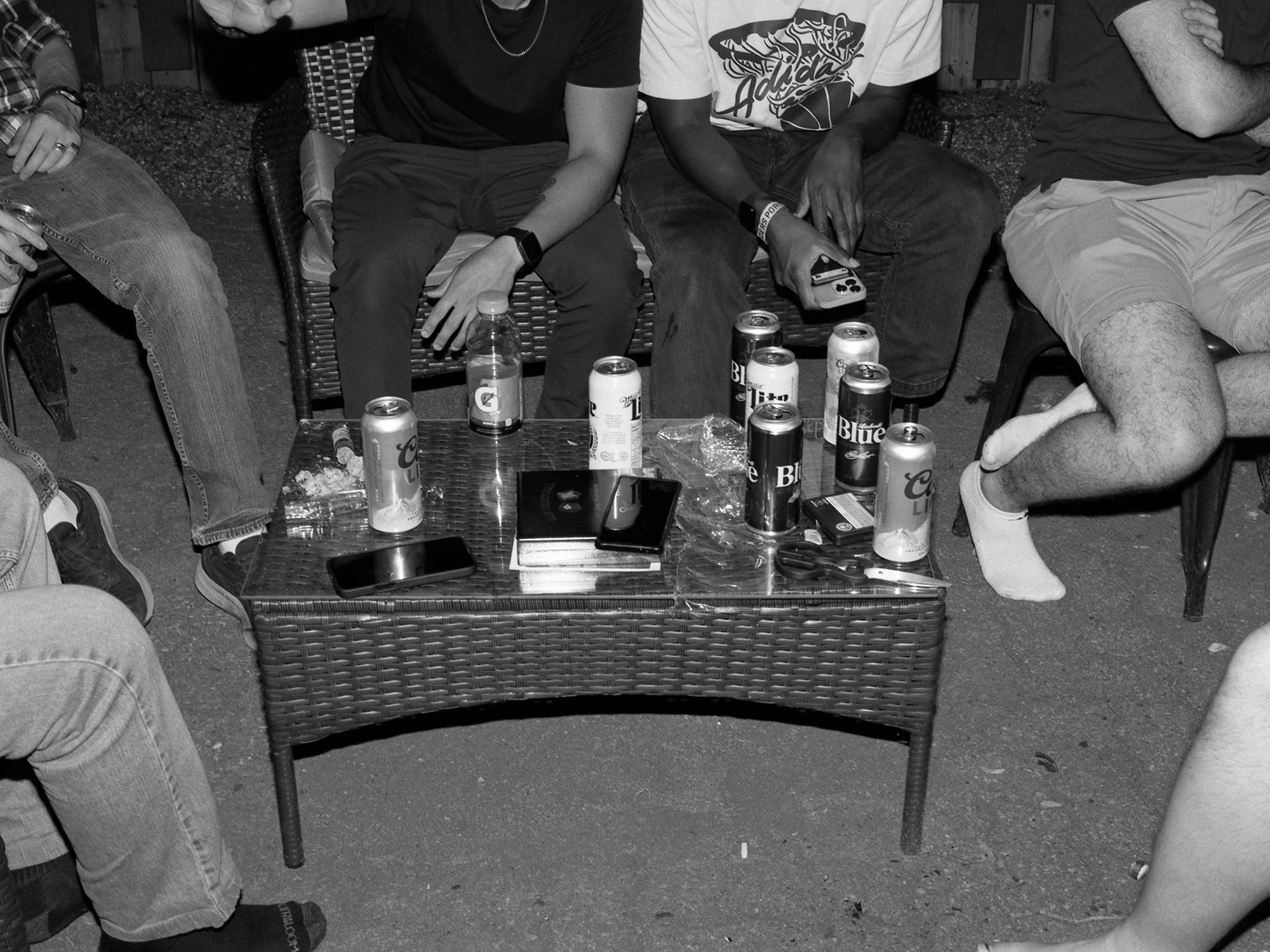
Eventually, this period faded away. Many of my friends graduated from university, moved away, or otherwise fell out of touch. I could no longer depend on social experiences to drag me out of bed and provide moments of inspiration, causing me to turn towards more explicit personal expression. I also realized that I was creating a form of slop - although that word had not yet been popularized, I saw that Instagram was using my photos as the filler between ads. Even people who knew me or liked my photos were likely only viewing the images for 1 second before scrolling away. I felt myself choosing compositions that would satisfy the Algorithm rather than my creative impulses. I would imagine potential witty captions as I shot and edited my photos. Everything felt so hollow and pointless.
So I stopped posting. I didn't put a single one of my film photos on social media between October 2019 and November 2024. This break from posting initially coincided with a “Sabbatical” from photography altogether, as I detailed in one of my prior Posts. The Sabbatical ended in July 2020 and I never put my camera back down after that point, but until last year, I intentionally ignored the entire photography world. This turned out to be one of the best choices I ever made. During that time, it was just me and my kit, going out to shoot whatever I felt like. I took relatively few photos in the city and transitioned towards landscape photography. I avoided looking at photos from other artists fearing I had unknowingly plagiarized their work. The thought of posting a photo on Instagram made my stomach churn knowing that it would become training material for the real life version of Skynet.
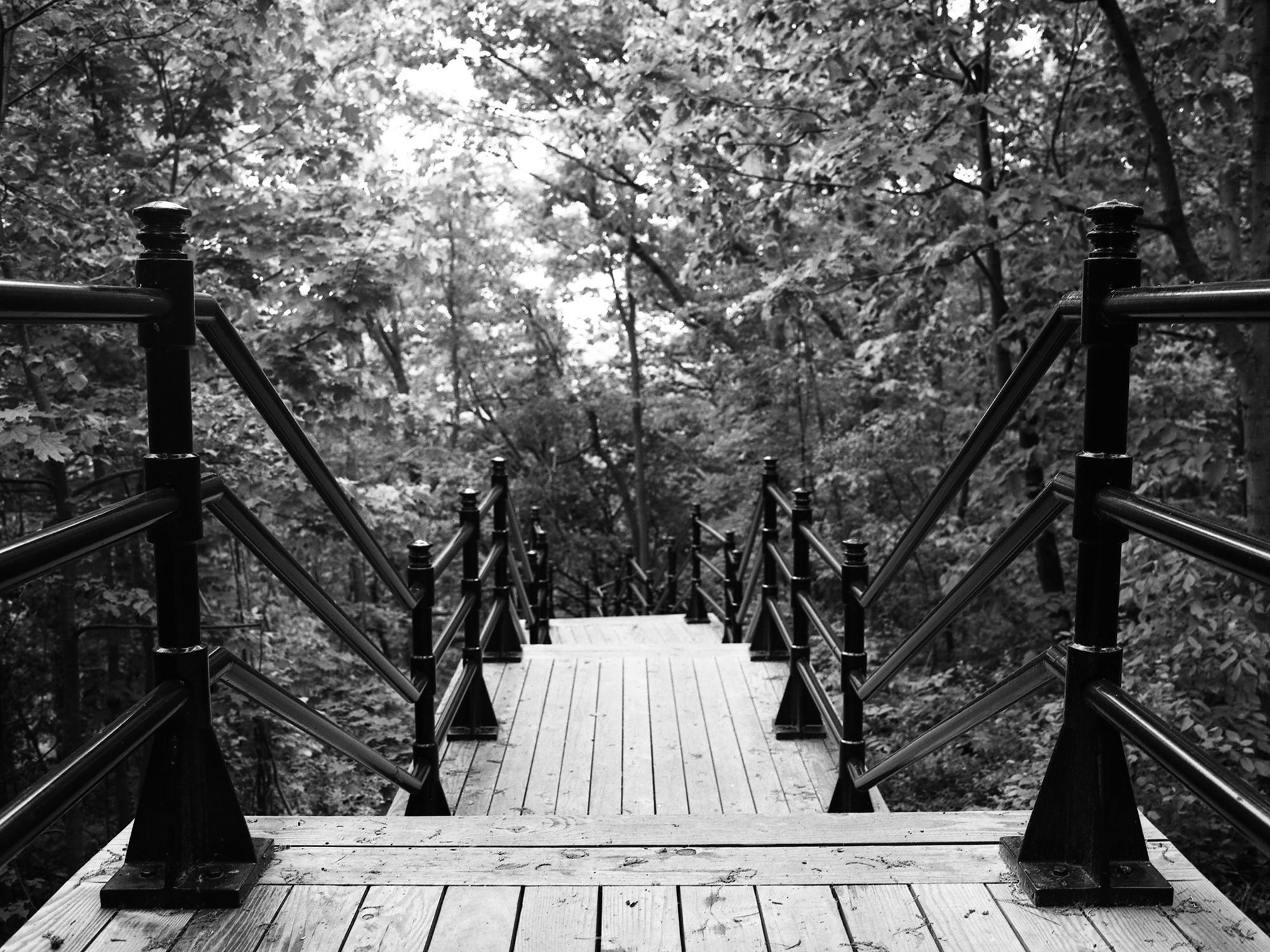
Then, starting in June 2024, I finally began to articulate the themes and narratives that I had developed since the end of the Sabbatical. I had a new mission to arrange my photos into a book, hoping that my vision could be held in other people's hands and understood more deeply for the first time. I dove into the process of constructing a manuscript: I began printing and laying out images, learning to express myself better through writing, and researching both contemporary and historical photography. New challenges appeared; if other people were to ever hear about my work, I would need some sort of audience. The time came to face my greatest fears and start putting myself out there. This meant re-engaging in social media, as well as submitting my work to open calls for artists.
2. Filling the Trough
I tested the waters by putting a short series of photos on Instagram, concluding my five year break, and I got more Engagement from porn spam bots than from people I actually know. Immediately, I felt stupid and regretful. My concerns about providing filler content were more pertinent than ever; on Instagram today there is a 1:1 ratio of posts to advertisements, it is normal to see up to three sponsored posts in a row in the feed, the app will insert advertisements when you browse a user's profile page, and AI-generated Content is pushed constantly. Despite these ongoing concerns, I still resolved that 2025 would be a one year experiment in re-engagement with social media.
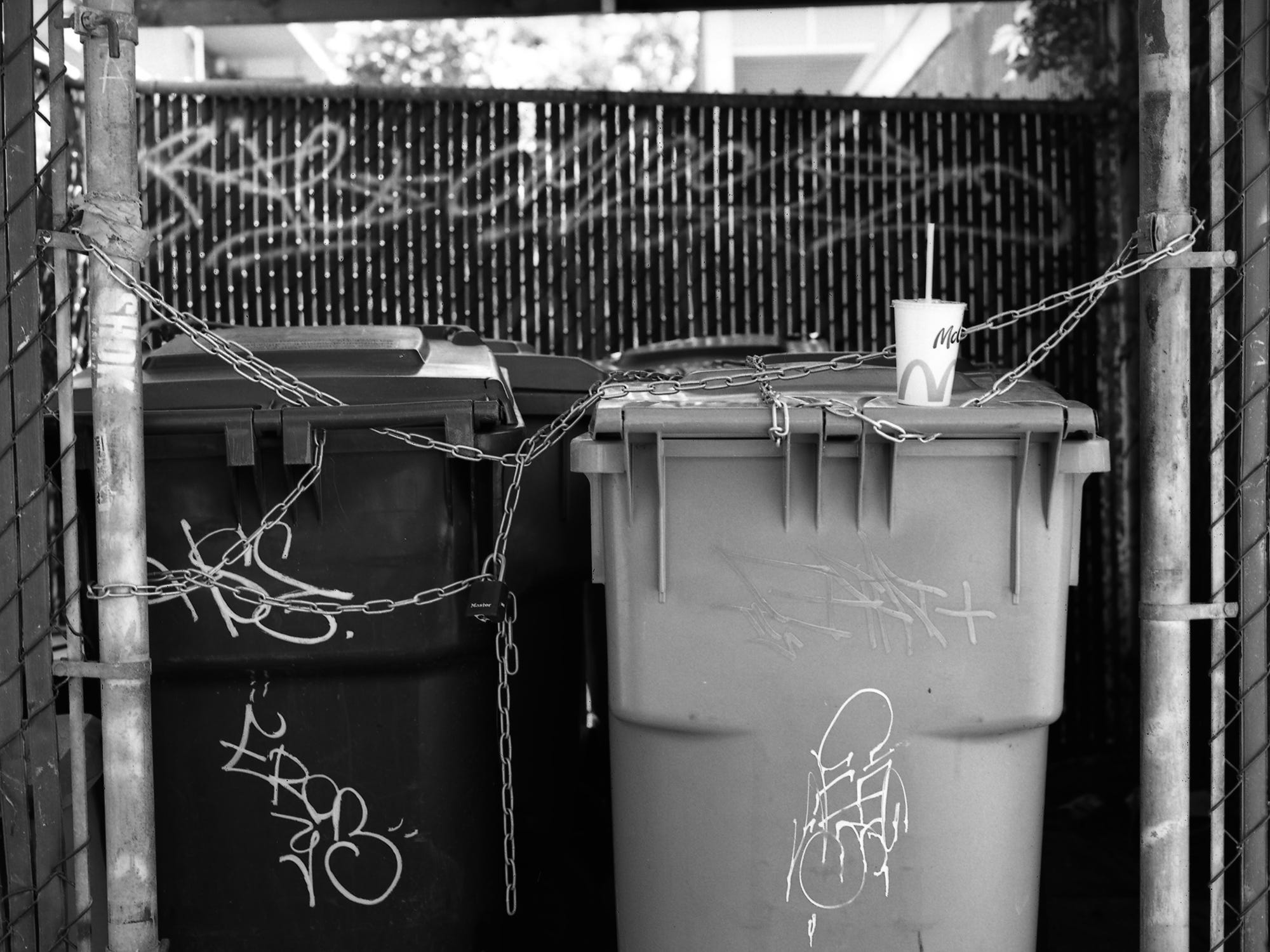
At the beginning of the “Year of Social Media,” I had one small success with a series of Instagram Story posts. I try to walk for at least an hour every day, and I decided to take a snapshot with my smartphone every time I saw a glove, hat, or scarf that had been lost on the street. After a few weeks of uploading these on my Story, my friends began sending me their own pictures of lost garments, or telling me how they thought of me when they saw lost gloves. That was definitely a nice feeling, but the series didn't really have any artistic value to me. It was just something I did for fun and there was no real message behind it.
Around the same time, I heard about a site called Substack, where people supposedly preferred to read, think, and discuss, rather than mindlessly scroll. I made an account and quickly found dozens of photographers I had never heard of before, and it seemed as though this could be the right place to connect with new people.
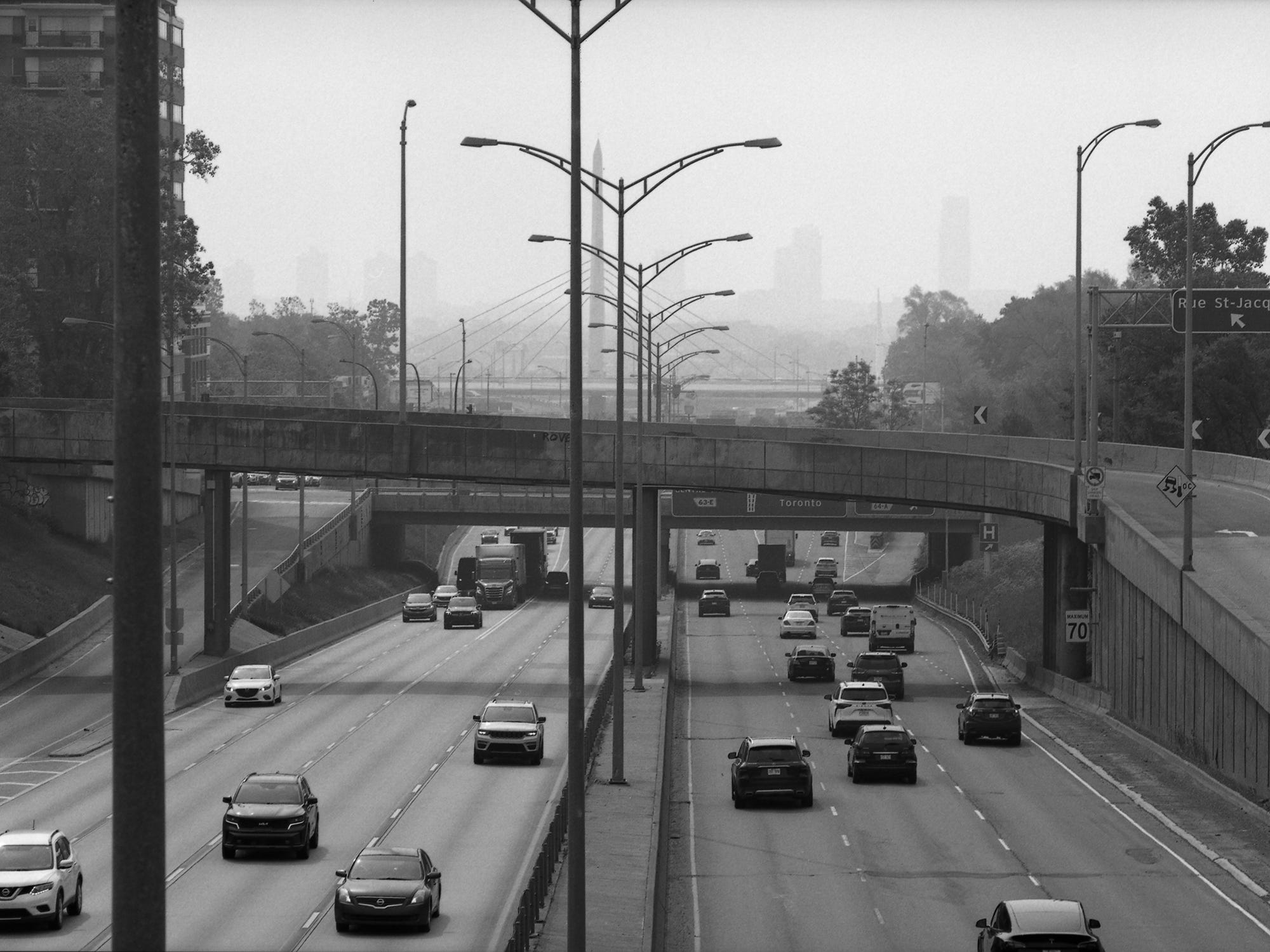
It turns out a lot of other photographers were thinking the same thing at the same time. Since I made my account here in January, it seems the photography community has grown massively. This was also a major transition period for Substack itself: the Notes feed was becoming dominant over longform Posts, and short form videos were introduced in the spring. As a newcomer to the app, it was actually a challenge to even figure out how the system worked. I tried my hand pushing out some Posts and Notes and received some positive feedback from close friends and family, but I hit the wall quickly.
First, I encountered writer's block, and struggled to choose the best way to connect my photos to the broader themes I care about. My rigid mindset made this process even more difficult: if a photo or snippet of writing is part of my photobook manuscript, it needs to be kept private lest the final product be ruined. This internal conflict reignited the worst tendencies of my pre-Sabbatical relationship with social media. Once again, I started taking throwaway shots that would provide Content for my page but were not useful otherwise. I longed to depart social media permanently, but I ignored the frustration and posted some more Notes. Don't worry, just post more and the Algorithm will reward you!
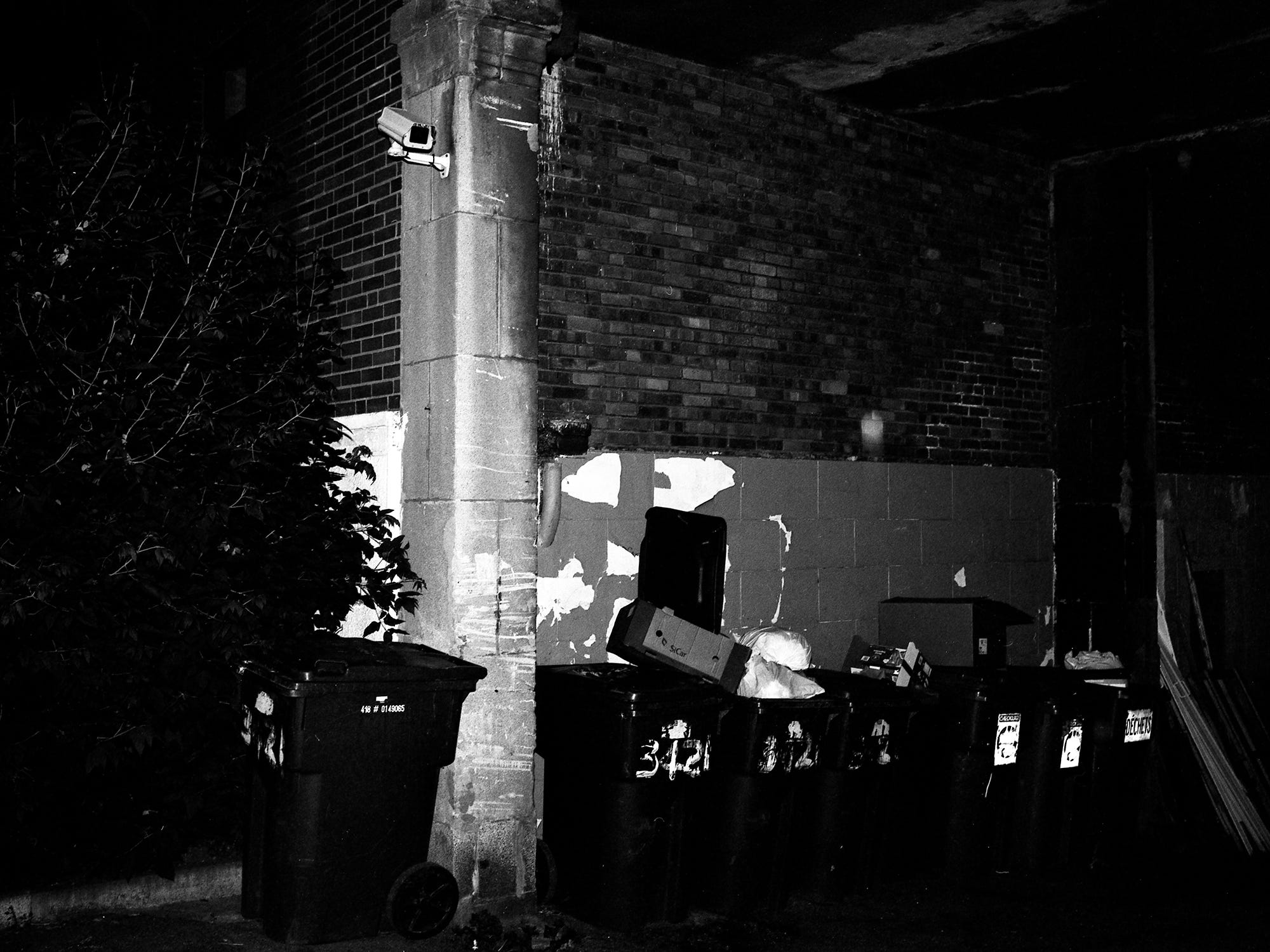
By early summer, I was getting fed up with everything. Not because I've had a hard time getting my page off the ground, but because Substack Content has rapidly fermented into a novel form of brainrot: Advice Slop. If you're a photographer (or visual artist, or writer, or anyone else...) I'm sure you know what I mean: clickbait-style posts filled with entry-level tips and generic suggestions like “live with intentionality.” Simply put, if you are looking to connect with people who post interesting photos or writing, you have to swim through an overflowing trough of Advice Slop.
If you want to see an example of what I mean, look no further than Marco Secchi's page. It has everything: Notes filled with LinkedIn-esque bullet points designed to drive Engagement from unsuspecting commenters, quotable tidbits of creative philosophy, and paywalled longform Posts that offer to teach you how to become an Influencer. Just enter your credit card details here to receive a masterclass on how to position yourself in the Pantheon of Content.
At this point, scrolling through the Substack feed often feels like attending a mandatory HR presentation. I've seen the phrase “be present” used so frequently that it lost all its meaning to me. I literally had to look it up on a search engine to figure out what the hell everyone is talking about.
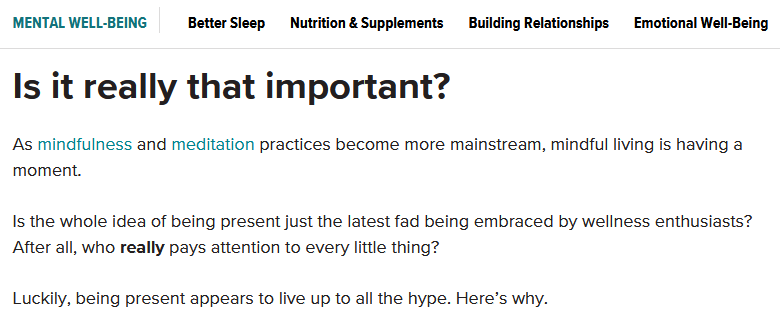
This article on Healthline.com explained that being present is a form of mindfulness that can be approached with many strategies, such as focusing on your senses and breathing, practising gratitude, “praising yourself for doing your best,” being an active listener, and “embracing your playful side.” Alright then. I understand that mindfulness and meditation are effective for many other people, but when I read things like this, I'm painfully reminded of the pathological form of mindfulness that already pervades my brain. My life has been defined by a daily onslaught of overwhelming sensory experiences that usually make me wish I could escape and be less present.
3. Case Study in Algorithmic Distress
Michael Wriston was one of the first photographers I found when I signed up for Substack. I actually grew up in Maryland, so I was immediately drawn to his photos and firsthand accounts of life in Baltimore. The best nights of my teenage years were the occasions when I could go into the city to attend metal and punk shows at Ottobar, Sonar, and Ram's Head Live. As such, I've enjoyed seeing him come to the defense of Charm City.
I also appreciate Michael's ongoing discussion regarding the influence of the Algorithm and social media on his life. I recommend reading these two thought-provoking Posts: Between the bangers and If I don’t share a new photograph to social media every day, I will wither away into dust and blow away on the wind.
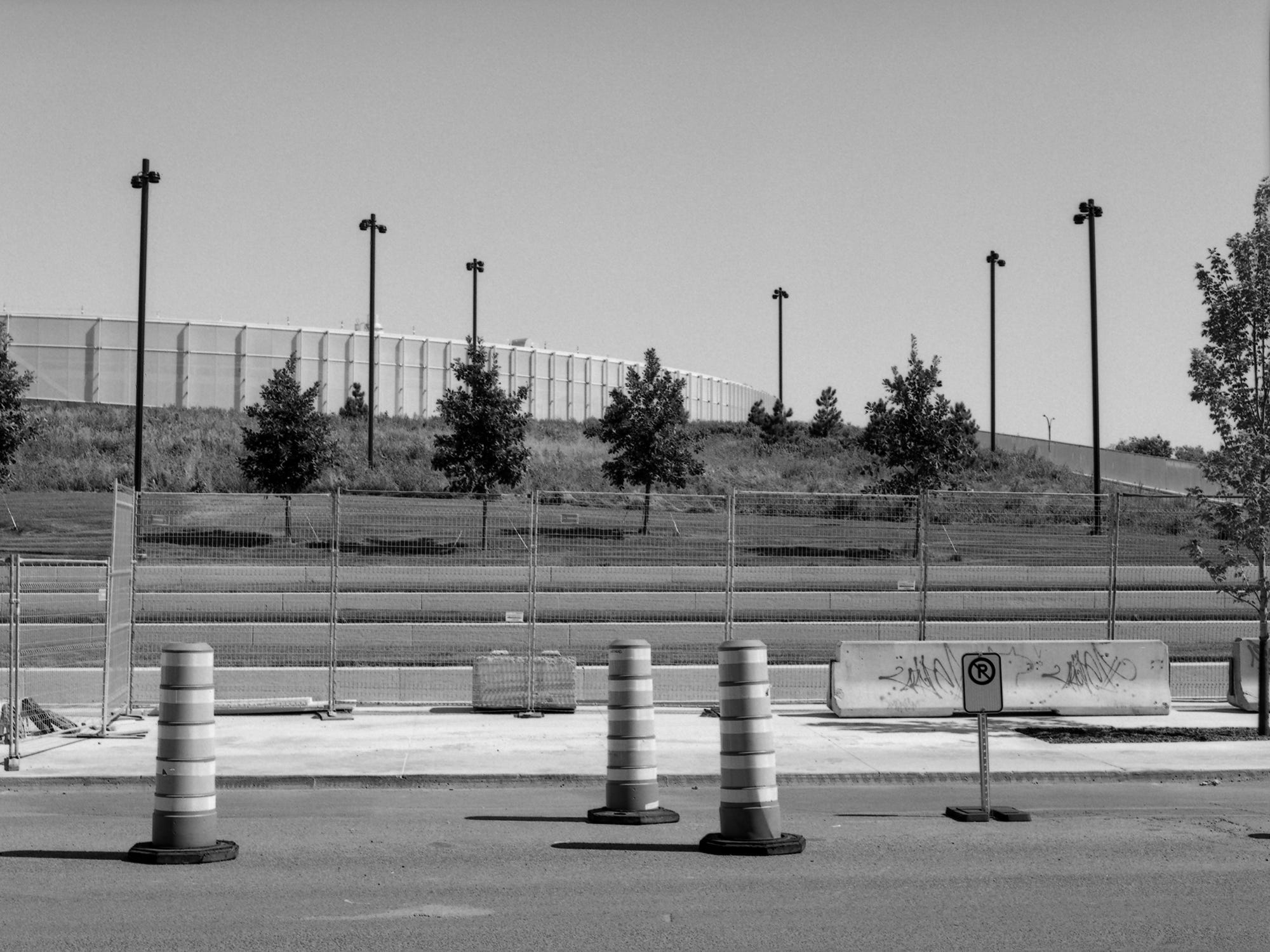
However, in July, he also started posting a series called Notes from the Inbox, where he answers questions from his audience. Despite his self-awareness of the effects of the Algorithm, Michael appears to have fallen straight into the Substack trap. In the first instalment, On photographing with empathy, processing with restraint, Michael provides two primary pieces of Advice from his photographic practice, which are quoted below.
I use my camera as an invitation—to the world and to others—to engage. That sense of receptivity is central to how I work. Whether I’m photographing a portrait, a landscape, or some combination of the two, my first guideline is simply to be present. I try not to approach with a checklist or preconceived notions. Doing so risks missing what the world is offering at that moment, be it subtle or strange, quiet or sublime.
My second guideline is this: never punch down. I try to use the camera to relate, not to narrate or dictate... I see it as an opportunity to build empathy and to better understand that which I don’t already know... I try to highlight dignity rather than dramatize suffering...These are real people, not characters.
Something about these statements didn't sit right with me, and I had to put my phone down and be present for a long time before I understood exactly why. I have a lot of trouble reading these kinds of artist statements. On paper it’s perfect, like the artistic equivalent of Paul Allen’s business card, but the haughty tone of those paragraphs created a stench of inauthenticity that stewed in my mind for days, setting off the chain of thought that led to this essay.
Eventually, I realized that I was experiencing the same feeling as talking to a person who sincerely believes in astrology. I certainly agree that we shouldn't punch down, and that our subjects deserve dignity and empathy, but it struck me that this philosophy appears in large part to ignore the personal agency of the photographer. The Universe is not going to offer to compose your photo for you: you are still deciding where, when, and how you use your camera. Personally, my creativity is often triggered when I detect contradiction between reality and preconceived notions (whether they are my own, or those commonly held by people around me). I don't use my camera to narrate other people's lives, but I do use it with intentionality to construct the visual narrative of my work.
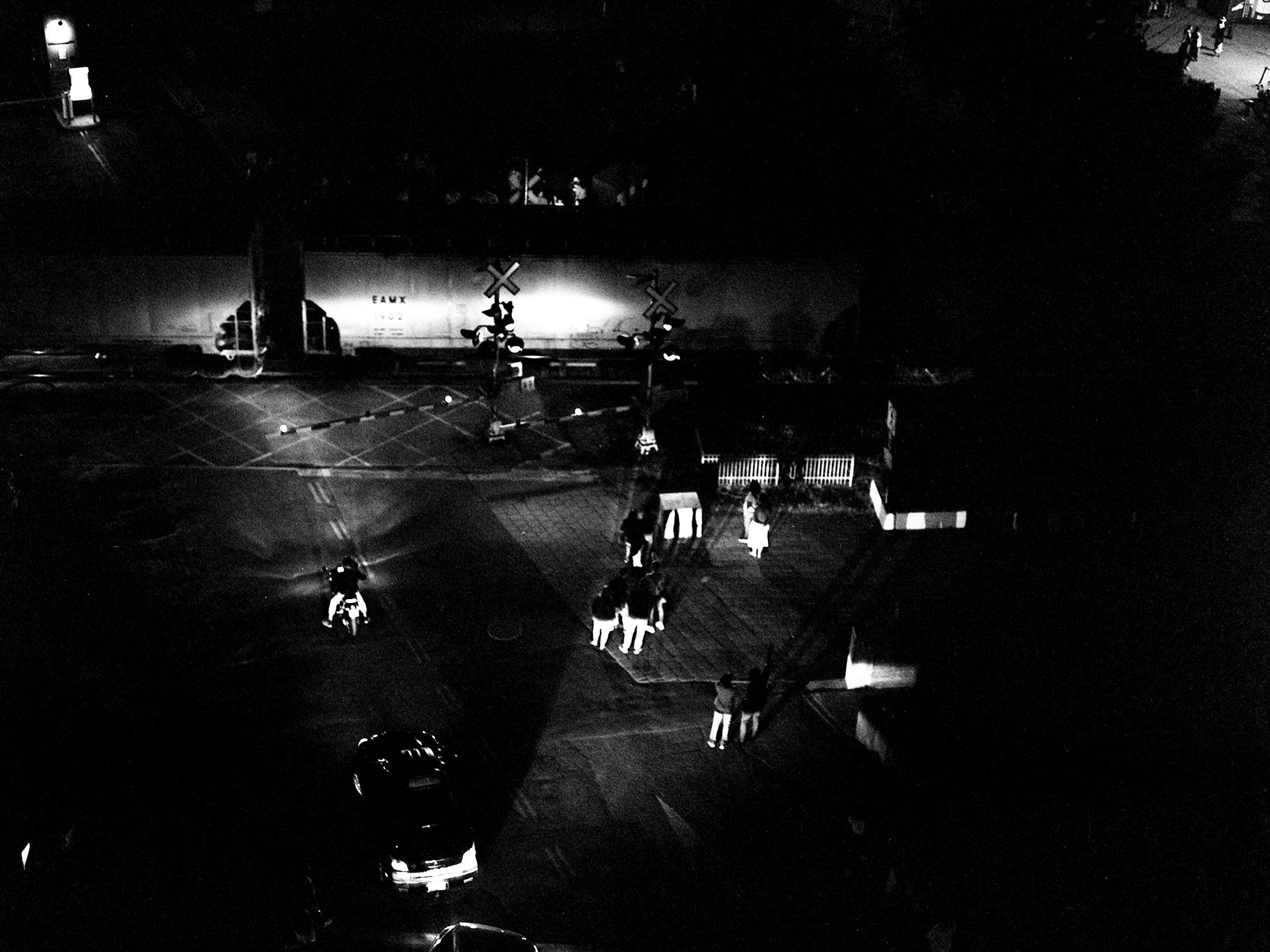
Something really interesting happened when I was trying to wrap my head around these statements. I went back to read the Post several times, in hope of better understanding what Michael meant, and like any good social network, Substack detected my interest in his Content. Suddenly, my feed was showing me every time he “liked” something or left a comment. This led to an absurd but ephemeral parasociality, wherein I watched from a distance and learned too much about Michael through the lens of Substack. It was bizarre, but I did resonate with the realness of his comments expressing annoyance with the everyday debates of artistic identity, film vs digital, and the like.
After seeing this Content in my feed, I remembered an incredible Post from Adam Aleksic, who is better known online as The Etymology Nerd. The Ritual of the Algorithm discusses how scrolling satisfies the three components of a ritualistic behaviour:
The ethnographer Arnold van Gennep identifies three stages to each ritual:
Separation: removal from ordinary or social life.
Margin or limen: a threshold between past and present modes of existence.
Re-aggregation: the return to mundane life, in an altered or higher status.
Ever since I read this Post, I've been trying to pay attention to the way that I transition into my own Algorithmic Self. When I pick up my phone, first I feel the guilt of a relapse, but then it happens: I feel tunnel vision form and I'm pulled in deep. The glass, LEDs, processors, and battery in my hand become a portal into a virtual microcosm that I struggle to escape. In the dissociated state, my True Self steps away and watches the Algorithmic Self take control. My thumb flicks back and forth seeking more Content. I giggle at memes on Instagram. I get ragebaited by Advice Slop on Substack. The two selves stand opposed to each other, refracted by the shattered mirror of the internet. And I don't like what I see.
When I scroll, I begin to feel like we are all standing in the same liminal space, where my Algorithmic Self watches everyone else's from afar. I feel like I'm standing alone at the edge of a party with a warm beer in my hand. All the Substack photographers are at the centre of the room, having a great time, and I'm leaning against a wall, silently following along. Just like in reality, I don't know how to introduce myself or join the conversation. Then I re-aggregate, flush the toilet, and move on with my day, but I'm left altered by these disturbing moments.
In late August, another Note from Michael popped into my feed. He had shared a YouTube video by Noah Kalina titled Is Street Photography Good? alongside a caption lamenting that he is “often confused for a street photographer.” This is exactly what my Algorithmic Self desires – another discussion of genre rules and aesthetic labels that will induce an uneasy mixture of emotions. I was trapped in the discourse immediately.
4. Genre & Exploitation
Let's tear into Noah's commentary about street photography. If you want to watch for yourself, the discussion of the genre begins at the 13 minute mark in the video. Honestly, I'm not the biggest fan of street photography either, but I disagreed with a lot of the statements in this video, and thinking about these topics helped me understand why I feel so dissatisfied with the discourse in the photography community.
First of all, I had to figure out why Noah looked familiar to me. I checked out his page and was reminded that he created one of the original viral videos back in 2006, a timelapse of his daily selfies over the course of six years. Neat.
Anyway, Noah begins the discussion by explaining how street photography exists within a hierarchy of nine photographic genres. He believes that street is the worst of all, falling in last place behind even wedding photography. I laughed and groaned, because wedding photos generally give me the same feeling as photos of a newborn baby on your coworker's iPhone: smile and nod and keep your fingers crossed that the slideshow is about to end.
It may be true that street photography is often repetitive and boring, but why? Well, over the past few months, I've seen countless pieces of Advice Slop breaking down the basic rules of the genre. All the usual stuff: look for interesting colours, lighting or shadows, isolate a specific subject, then get as close as possible to them before shooting. In my opinion, these are the rules that lead to yawn-inducing photos of solitary silhouettes walking through shafts of sunlight, as well as the aggressive photographers who dive in your face with a Leica and an off-camera flash.
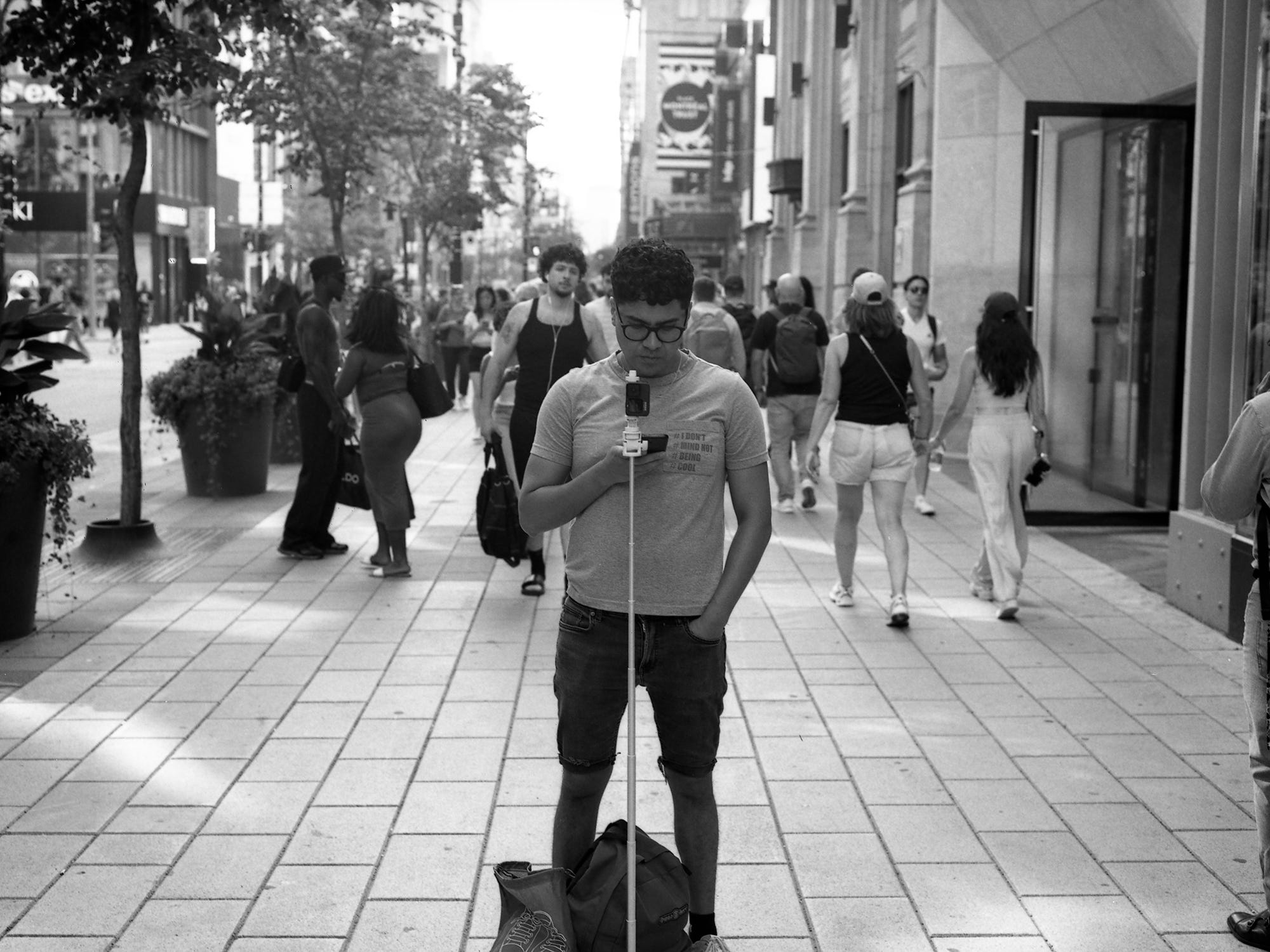
Beyond the basic compositional methods, deeper discussions of the genre are also useful in understanding how the worn out tropes of street photography have dominated the field. Anthony Morganti's Post Why Street Photography Feels Flat explains, perhaps unintentionally, the reasons the genre has become so repetitive. I do appreciate that Anthony addresses the intrusive nature of some street photographers, but he proceeds to echo the broader zeitgeist in stating that he seeks to “highlight the moments of connection, humour, and humanity that make a city feel alive” and that he loves “street shots that celebrate how cool or interesting people can be.” Most people seem to feel the same way, and it has created a community of photographers who only care about harvesting warm and fuzzy moments from other people's lives. This is probably why I see so many photos of children playing soccer in the street and dogs leashed up outside of stores.
Going back to the YouTube video, immediately following his list of genres, Noah proceeds to say he thinks street photographers are “exploiting people...they're vultures...they're rude.” Those are some pretty strong statements! He eventually gets straight to the point: “That type of photography makes me uncomfortable.”
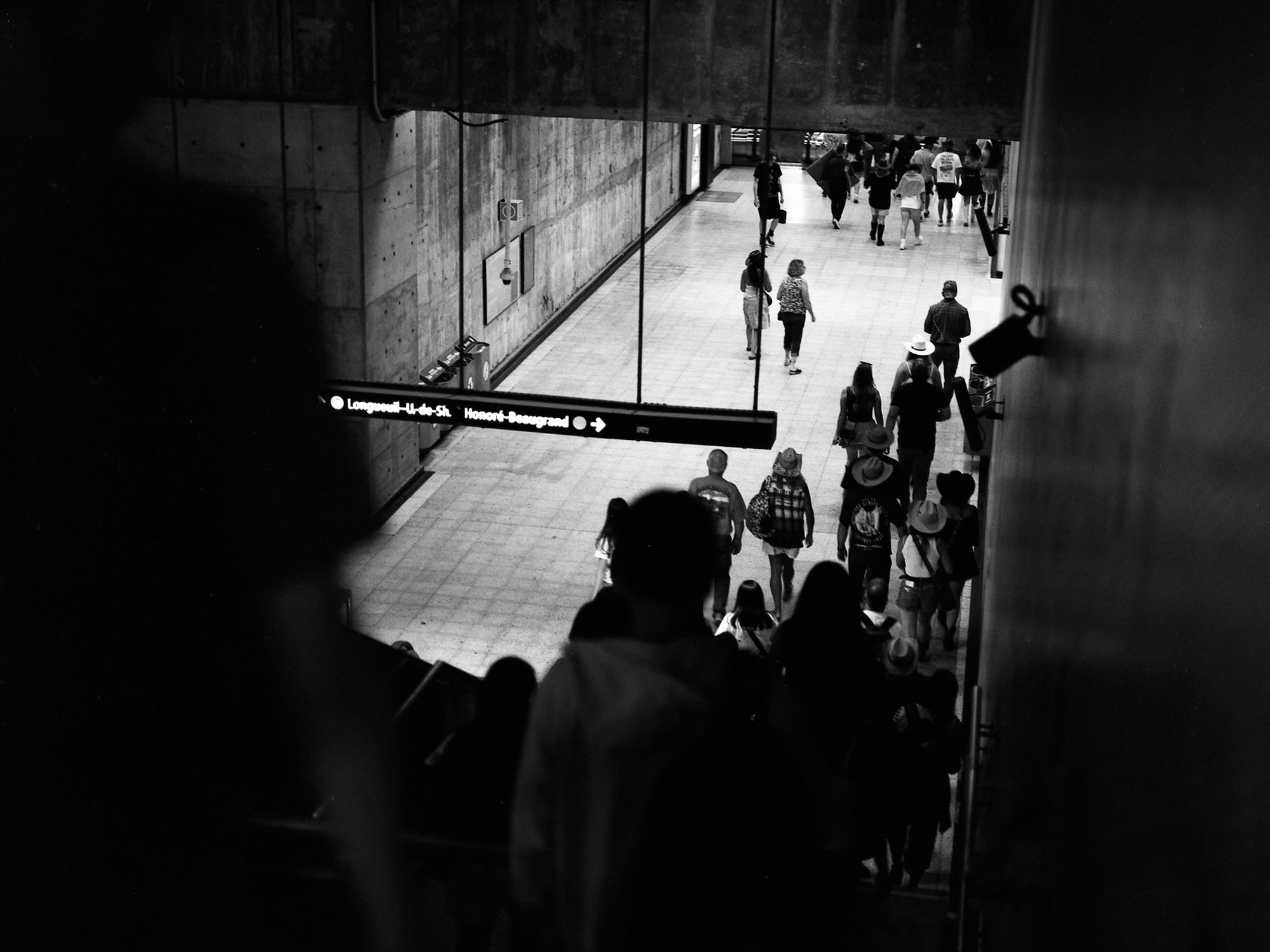
Just like Michael's Posts about Baltimore, this statement brought me back to memories from when I was fourteen years old, when I'd sit in a damp basement and debate my friends over metalcore vs deathcore vs brutal death metal, or when we'd dismiss “rap and country” as lesser forms of music. We were uncomfortable with music that expressed moods or emotions we had never personally experienced. We were afraid to expand our boundaries. We couldn't just ignore music we didn't like, we had to make condescending comments about it too. Now, I'm watching this video of an adult man, who appears to live on a large property in a rural area, in which he dismisses a huge swath of contemporary urban photography because it makes him uncomfortable.
I realize that Noah qualifies all of his statements by saying he doesn't want street photography to go away completely. But when a photo (or any type of art) makes me uncomfortable, I try to understand why I feel that way, just like I did with Michael's statements. Even though I usually have criticism, I'm not going to dismiss entire groups of people and their art because of my discomfort. I remind myself that discomfort is often the point of art.
Noah is not the only person who struggles with discomfort, even here in the thoughtful and intentional Substack community. Acclaimed photographer Dina Litovsky commented on this phenomenon as it related to her Post about the Exxxotica convention. Her photos of barely clothed women surrounded by horny men apparently triggered over 100 people to unsubscribe.
I want to comment on another important part of Noah's opinion about street photography. He tells us“I would go out [in New York City] and a lot of people would take photos of homeless people. That was a thing, and I'm sure it still is, where it's sort of like an easy mark. There was always that debate, like are you exploiting these people, and yes, you are.”
This idea of the exploitative photographer hunting in the streets for homeless people is a trope that has been around for so long that it was even used as a joke in a 2009 episode of The Office. As far as I've known, it's always been one of the number one rules of street photography to avoid the homeless. I even taught the same rule myself back when I helped facilitate photowalks for the McGill University photography club.
The same ideas were directly discussed in the Post from Anthony Morganti, and alluded to by Michael Wriston's comment on “dramatizing suffering.” I found it very odd that Noah used this as a reason to dismiss the street genre. So why are the photography Influencers so caught up on this? Whether these are moments of elitism or expressions of guilt, perhaps the production of Advice Slop helps ease their discomfort. I also don't like the claim that homeless people are just some sort of “easy target” for the exploitative photographer. Here are two examples of actual exploitation of the homeless:
Associated Press: ‘Kindness’ influencers on TikTok give money to strangers. Why is that controversial?
True Urban Culture Magazine: Homeless Chic - Normalizing Homelessness
And here’s an example of someone I find to be the perfect example of problematic street photography: Trevor Wisecup. Owing to his popularity (measured by his 100k IG followers at the time of writing) and his status as an active YouTuber, Trevor’s work is filmed on a regular basis, so there is often footage when someone objects to his methods. These videos are uploaded later as Reels on Instagram, pulling in countless viewers and thousands of commenters with the controversy. This could certainly be considered exploitative, but it is also unique to Trevor’s online celebrity.
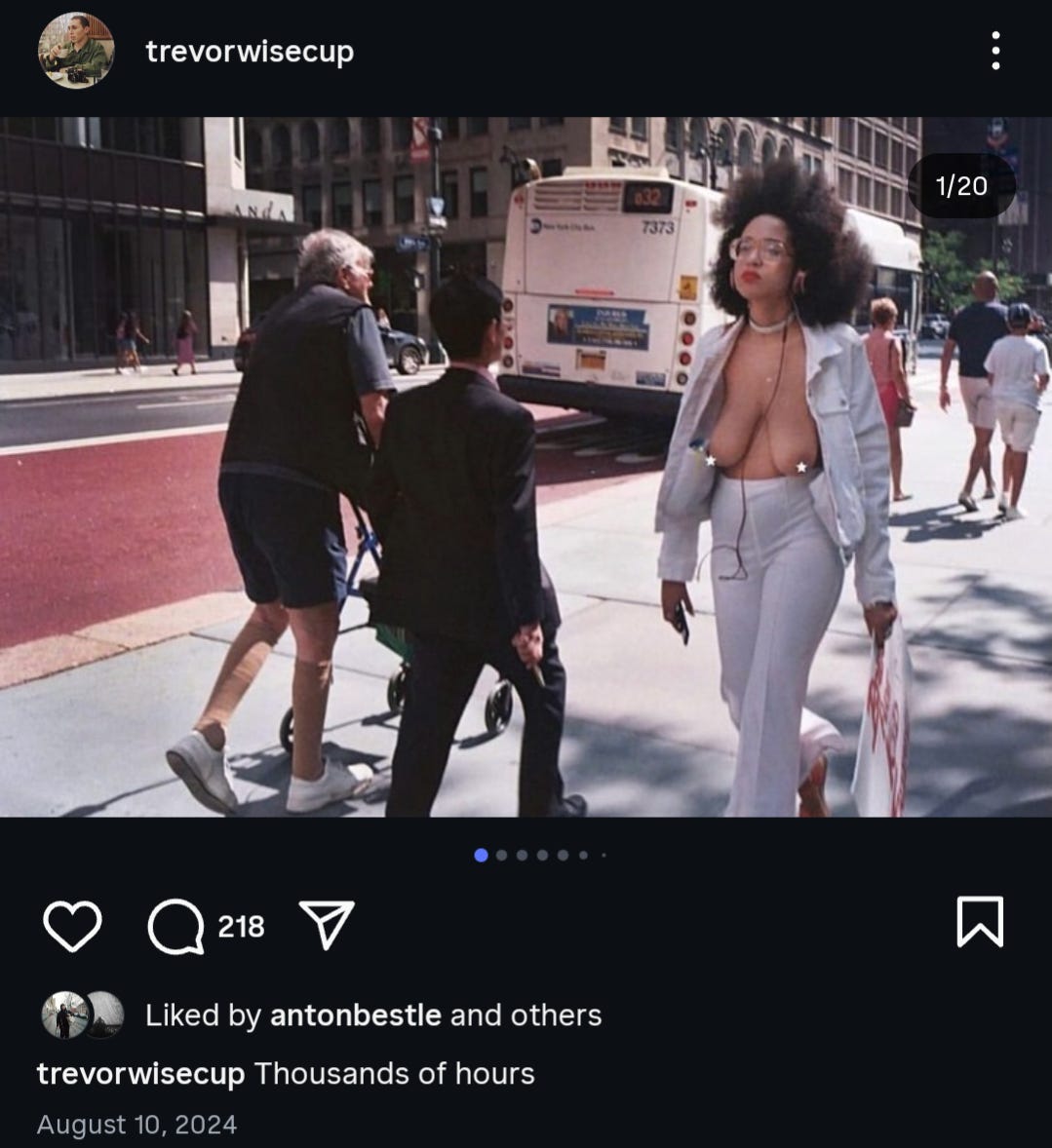
My point is that discourse on photography (not just street, but every genre) is forming a mood of toxic positivity. Whether it is an airy statement on ethics shared on social media, or a pushy street photographer like Trevor who insists that he is taking photos of beautiful moments, it seems that everyone shares a singular goal: making the audience smile or say awww. Despite the past year of effort, I haven’t found more than a handful of photographers that have a real message behind their work aside from “isn’t this so beautiful?” I feel an atmosphere in the photography community where we are not allowed to take photos that trigger any kind of thought regarding the state of human society unless it is thickly veiled in Artspeak. And if you do try, make sure you don’t dramatize it.
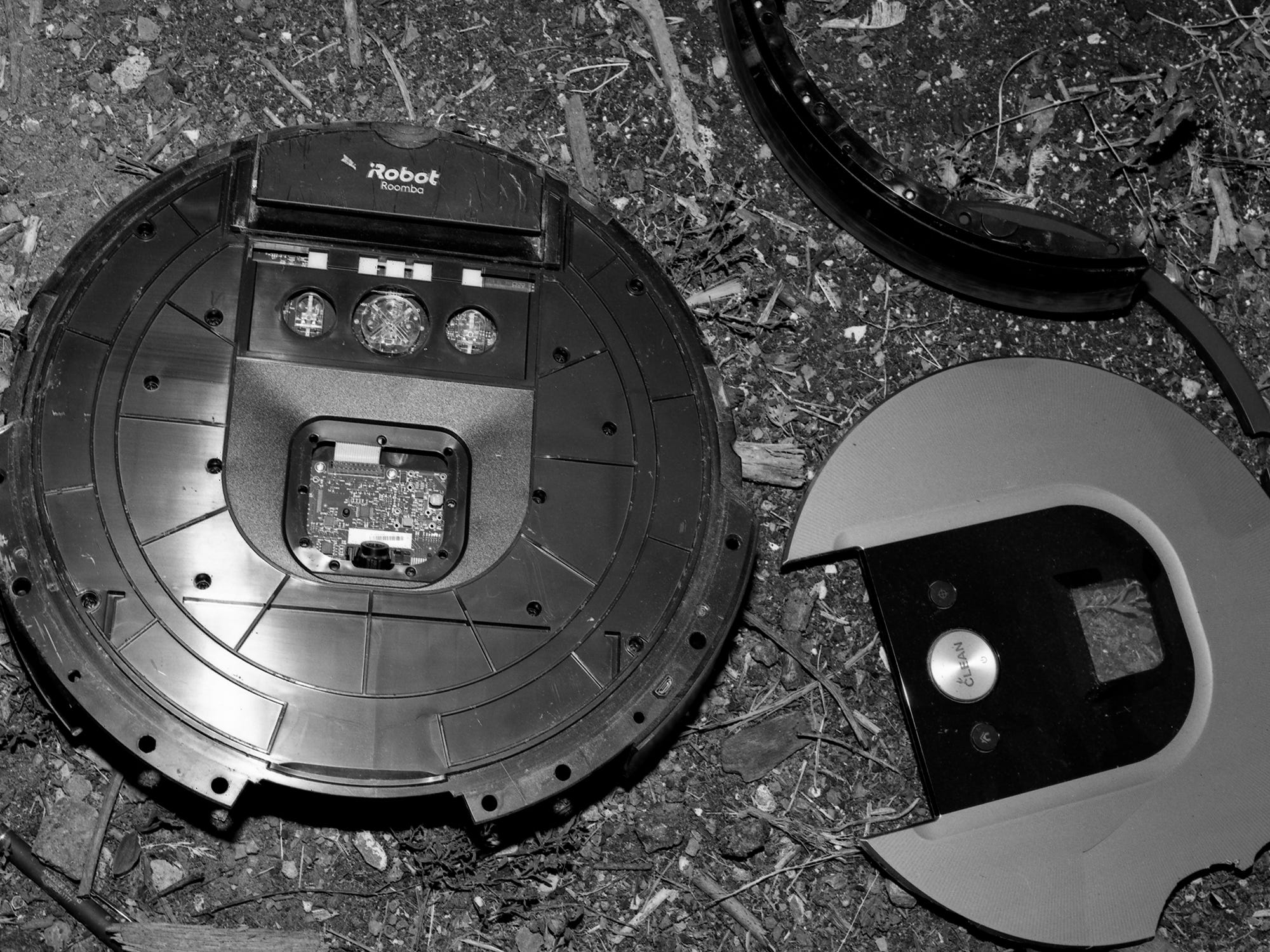
I’m concerned by this unending positivity because it is leading to a massive body of images which do not feel very realistic of the experience of a city. Most photographers seem to stick to the central business or shopping districts, using the same old compositions, looking for people who are smiling or wearing expensive outfits. Photos of happy moments may be enjoyable to capture, but how often do they make any statement, provoke any thought in the audience, or help someone see the world in a different way? In fact, this is the reason that I subscribed to Michael Wriston’s work in the first place: he is one of the few that strays outside of manicured downtown streets and interacts with people who would otherwise not be seen.
When I try to think of the photos that have made a lasting impact on me, few examples from the street genre come to mind. Rather, I think of Malcolm Browne's The Burning Monk, Richard Drew's The Falling Man, and Ronald L. Haeberle's photo of the women and children who were murdered by American soldiers in the My Lai Massacre. I think about how those photos revealed unspoken aspects of human nature, and how they changed public discourse the instant they were published.
I recognize those are examples of professional photojournalism, and this discussion is mostly about hobbyists, but many photojournalists start out on the street. Despite my criticism of Trevor Wisecup, I can tell that when push comes to shove, he could be one of the few photographers who will rise to the occasion with his camera.
It is already clear that the Influencers who spread genre rules are stifling creativity, but now it feels like no one is allowed to address serious issues, including homelessness, through art. Photographs are powerful tools that can attach a human face to complex social challenges, and they can help build collective empathy without “exploiting” a subject. We need to be able to take photos that will serve as documentation or reportage on current issues without being completely dismissed by the photography community.
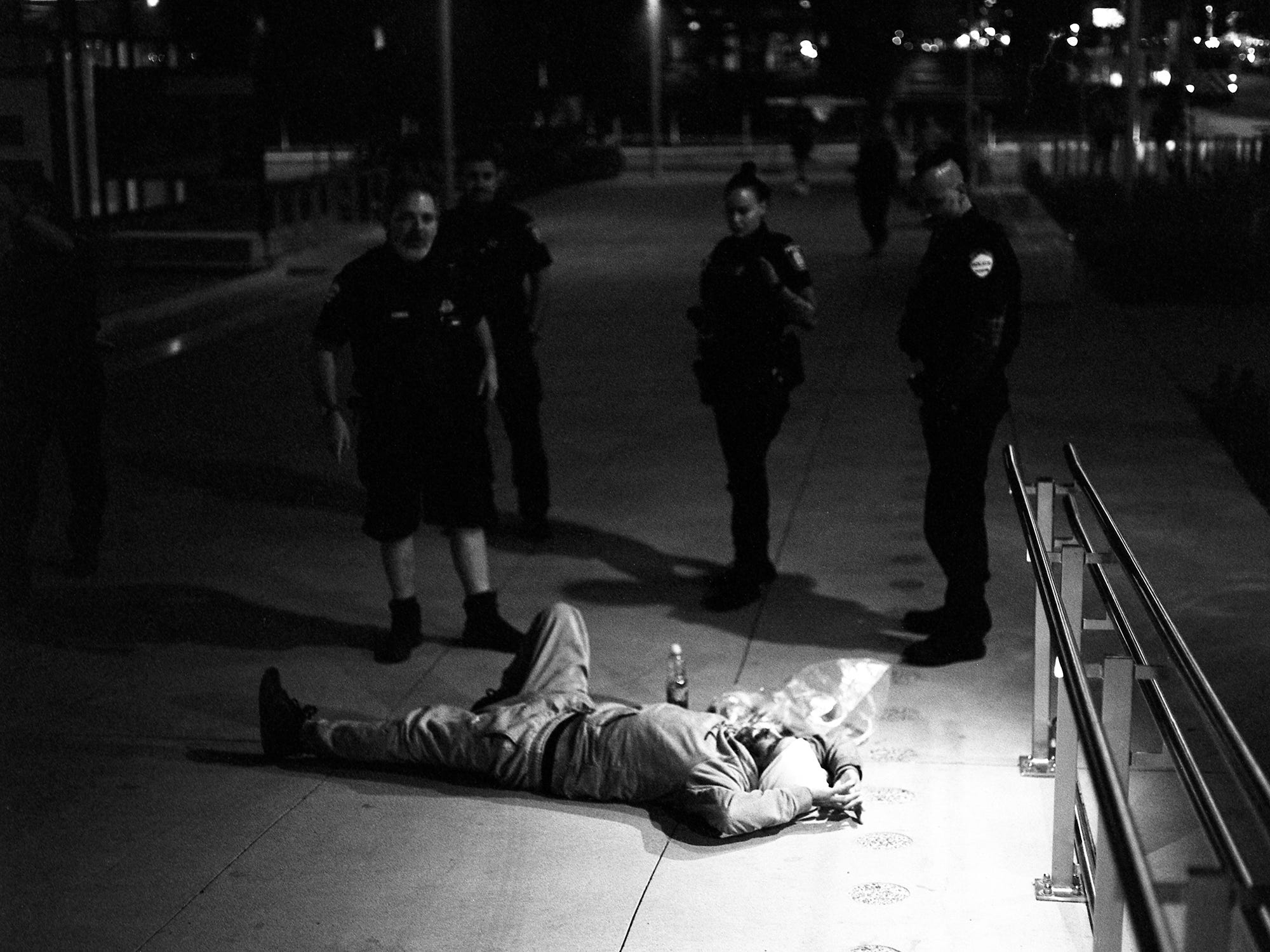
The photo above was born out of deep concern for the growing criminalization of homelessness in Montréal, and the feeling of being powerless as I watch officers remove homeless people from public spaces when there is nowhere else for them to go. Walking out of the Métro and into that scene felt like a decisive moment. My only options were walk away or take a photo, so I took out my camera and put myself at risk of violence from those officers because I think people need to see the reality of this situation.
My mind was racing in the aftermath. Even if this I had photojournalistic intent, what use does it serve if it isn’t published in a newspaper? If I share this online, will anyone understand the nuance, or will I be accused of clout farming? Was I exploiting that man? Did I dramatize suffering?
In the end, I think it was better to capture the brutal truth than to ignore it and walk away. I had to dismiss the online discourse in favour of living up to my own values. I don't want every photographer to run outside and start harassing the homeless in their community, but this situation made me think that we have to end our collective avoidance towards realistic representations of the housing crisis which is destroying lives across Canada and the United States. Those historic photos I mentioned above were all controversial in their time, but thankfully, those photographers were wise enough to understand they needed to document those moments, and their colleagues in the media published those images knowing they would make a difference.
5. Banality

In the midst of working on this essay, I read an amazing piece by Eris at Discordia Review, in which he dissects “Poptimism,” the push to recognize the artistic value of pop music, and the toll this has taken on recent cultural criticism. Anyone who is familiar with the songwriting and marketing processes in pop music will likely agree with the argument that the genre is lacking in artistic merit. After all, most of what we hear on the radio, or in curated Spotify playlists, was not written by an “artist,” it was manufactured by teams of songwriters, lyricists, and producers who gathered around a conference table and mashed their ideas together until they constructed something with viral potential. While the creation and performance of this music requires talent, the product often feels artificial. Eris asserts, and I agree, that pop is the McDonald's of music: cheap, always available, and delicious. It tastes unnaturally good, so much so that you can forget we require complexity and diversity to sustain our health.
As Eris details in his Post, one of the worst aspects of Poptimism is the loss of criticism in the music world, which has been driven by the shift to advertising-supported “click culture” on the internet. Honest criticism of lesser-known acts was not sufficient to drive traffic, so music outlets began devoting more space to already-successful pop acts, forming a positive feedback loop of Content. Singers like Drake and Taylor Swift became even bigger, therefore demanding even more coverage to pull in readers.
The internet photography community is now repeating Poptimism in its own way. The constant positivity and avoidance of serious issues has created this space where generally meaningless photos are rewarded by the Algorithm, while work that engages with reality in an interesting way struggles to be seen. Zachary Ayotte discussed this pattern in a recent Post, stating that “so much work these days seems to be actively avoiding the present” due to the trend of “anemoia: feelings of nostalgia for a time you've never known,” as well as the pressure to create art for the purpose of decoration, which leads to “art that is not meant to offend, provoke, or stimulate...but that is meant to blend into a room and perhaps even placate a viewer.” Emphasis mine.
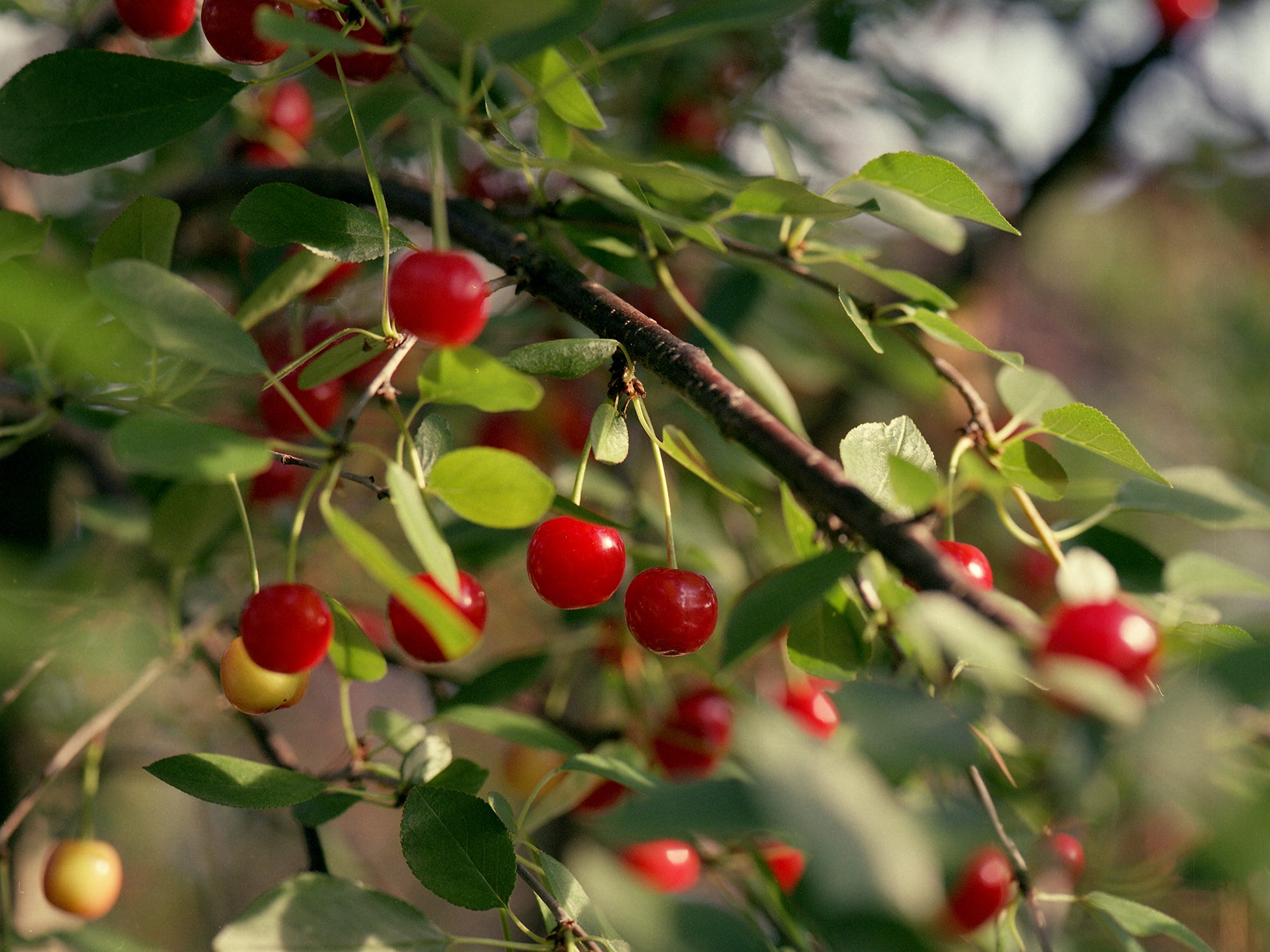
This is plainly obvious not only in street work, where the old compositional tropes have been beaten to death a million times, but also in contemporary “documentary” and “landscape” work. Photographers just can not stop taking photos of abandoned buildings, gas stations, and vintage muscle cars, often in the deserts of the American southwest. Just like in pop music, practitioners of these genres are producing work which is technically competent but easily-digestible and repetitive while failing to induce any thought in the audience.
Photographers also face many of the same pressures as pop musicians these days. Gaining an audience on Instagram, TikTok, and YouTube is only possible if you devote yourself to being a Content Creator. Taking photos is not enough, you have to share your entire process through behind-the-scenes Content. You have to build your own “community.” You need to create viral moments. You need to make people feel good. Your entire life must be sacrificed at the Altar of the Algorithm in the name of a consistent posting schedule. The livelihood of a Content Creator depends on their ability to regularly draw in an audience who will not only like, comment, or share their posts, but also buy products from corporate sponsors and pay for subscriptions.
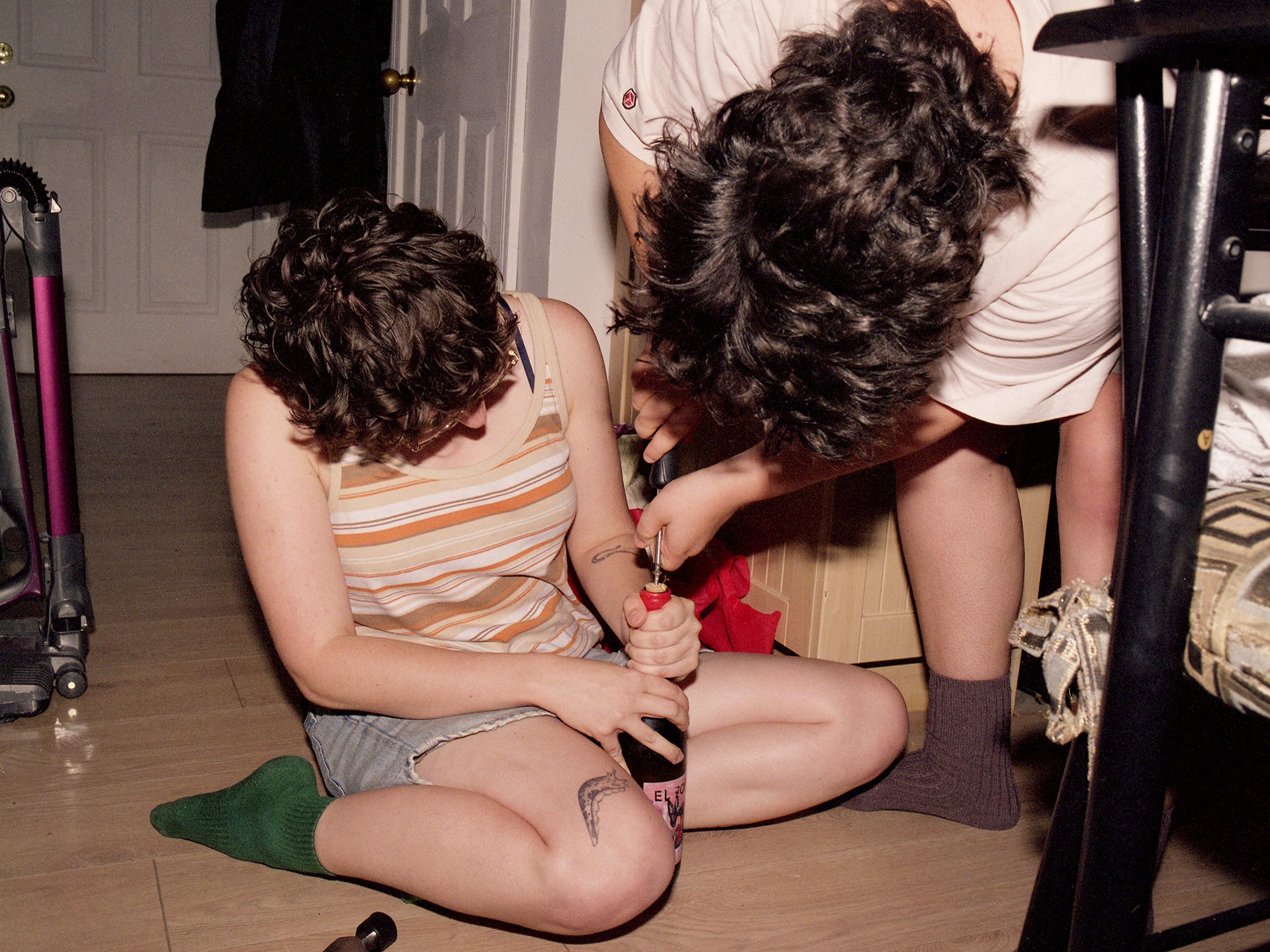
After a decade of Content Creator culture, we can see the inevitable cycle of enshittification. Someone develops enjoyable new Content, gains some financial success from advertising and sponsorships, then struggles to repeat the success in the long term. Few can succeed in this climate; most flounder and debase themselves for clicks before ultimately failing. This pattern has been repeated over the past decade in every internet subculture, be it photography, cooking, or even metalworking.
This has ironically fuelled the contemporary adoration of banal photography. Internet audiences are becoming exhausted by the perfection of viral Content, and we are quick to sniff out perceived inauthenticity. Journalist Taylor Lorenz recently discussed this topic in a podcast episode about the decline of banal posting on Instagram. She made the point that most people have realized their personal moments can't really stand in the feed alongside professional Content Creators or images of war crimes, so banality is now confined to the Instagram Story, where time-limited posts reduce the pressure to be interesting.
Over the past year or so, this has created an opportunity for photographers, especially those using film: they are in an ideal position to create banal Content that can stand alone in the feed by triggering positive emotions and nostalgia in the audience. This is what makes it possible for posts about “summer vibes on film” to go viral, but it also seems to reduce the pressure to perform online. I was genuinely happy for Michael when I saw this Note in my feed:
Cedric, another Substack photographer, praised the movement towards banality in his Post Ode to Boring Photos, where he states that mundane moments allow for artistic vulnerability and empathy, and that audiences desire realistic imperfection as antidote to the curation of Influencers and unwanted AI-generated imagery. I think his assessment is accurate, but it goes to show how dire the situation is. Cedric's Post concludes with this statement:
The next time you dismiss a photo as "just someone's kitchen," consider what you're actually seeing: a document of how a human being chooses to inhabit the world when they think nobody is looking. There's nothing mundane about that.
The sentiment is nice, and I don’t want to hate on anyone who is just taking photos for fun, but I hope that a balance can be struck between banality and more serious photographic topics. We should push ourselves to take photos that are emotional and aesthetically pleasing while still provoking more meaningful thought.
6. Resolution
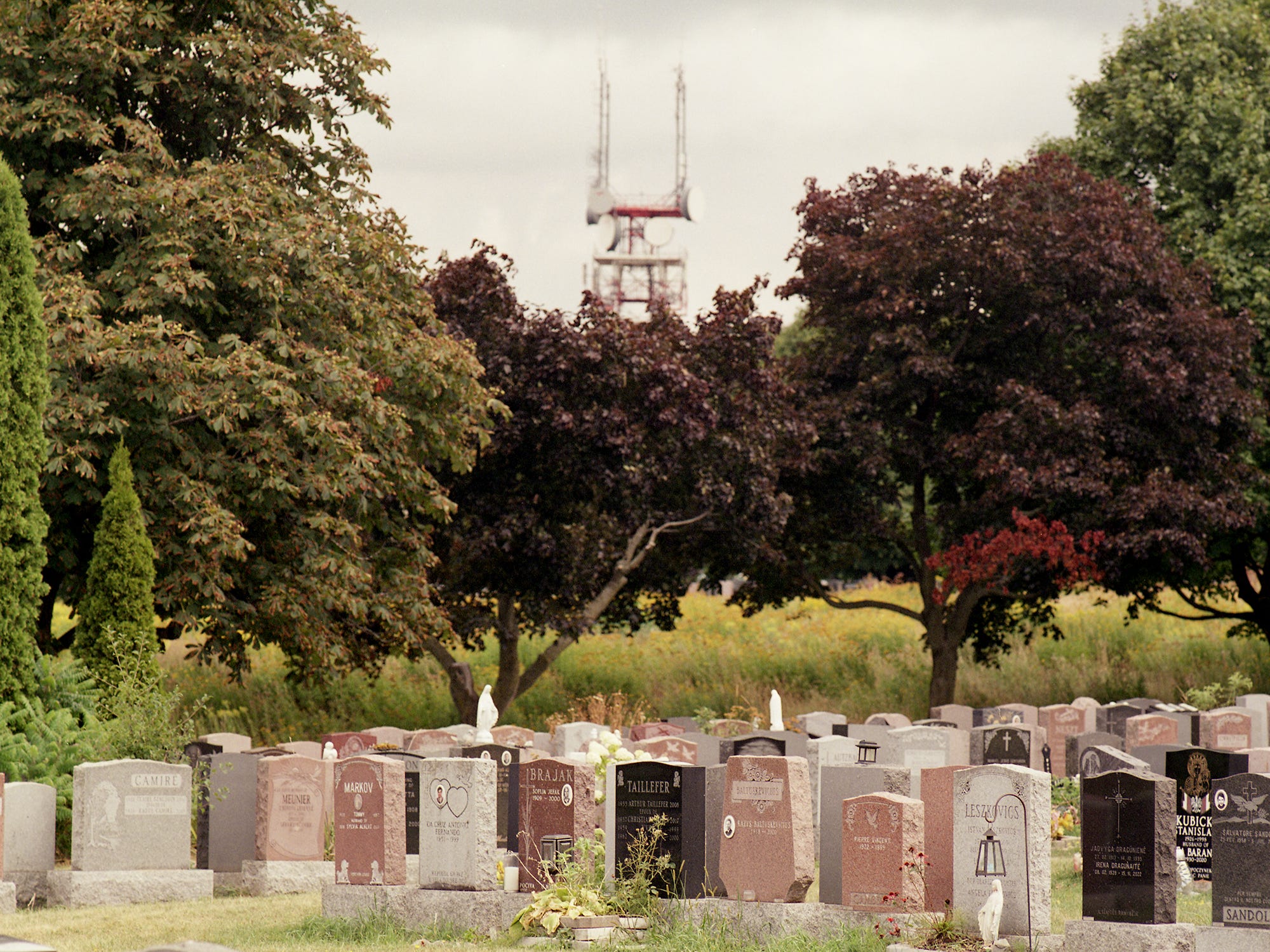
Where do I fit into all of this? I've struggled to find my place and I've considered completely abandoning my resolution to re-engage with social media. The connections I've made online this year feel fleeting and awkward. I feel embarrassed to post my work, as I have observed that many people don’t appreciate reminders about the state of reality. I take banal photos but they serve more as fun exercises rather than artistic expression. I scroll past Advice Slop and feel annoyed that I keep opening Substack. I look around at other people sharing amazing photos and become even more critical of my own, slowing progress on my photobook. I don't stick to any single genre of photography and I’ve tried to ignore the rules of any genre that I work in. I don’t want to waste my time feeding the Algorithm.

It was a hot and humid Saturday morning in late August when I saw this video from Lucy Lumen. I almost scrolled right past it, but I decided to listen as I washed the dishes. Once again, it was uncomfortable to listen to Advice from a successful Influencer. At first I beat myself up for my masochistic consumption of this type of Content, but I really tried to soak up what she meant. As a quick summary, here are the four barriers discussed in the video:
Being stuck on the idea and not knowing where to start
Worrying about what people think
Deciding which social platform(s) to prioritize
Managing expectations from social media
In the end, after letting these ideas sink in, I am thankful that Lucy pushed me to rethink my position on the internet. I resonated with #1 as I thought about my ever-growing pile of abandoned drafts and unpublished photos. As for #2, I feel constant embarrassment, but I agreed with her idea that “a wasted dream is worse than feeling cringe about trying on the internet.” For #3, I decided that despite my complaints and criticisms, Substack is probably still the best platform for me right now. This remains the only network where you can make nicely formatted longform Posts embedded with minimally compressed photos. Finally, I don't have any expectations at all anymore. I'm putting myself out there because I'm tired of the tension and frustration of holding in all my ideas. I need to tear down the walls that hold me inside.
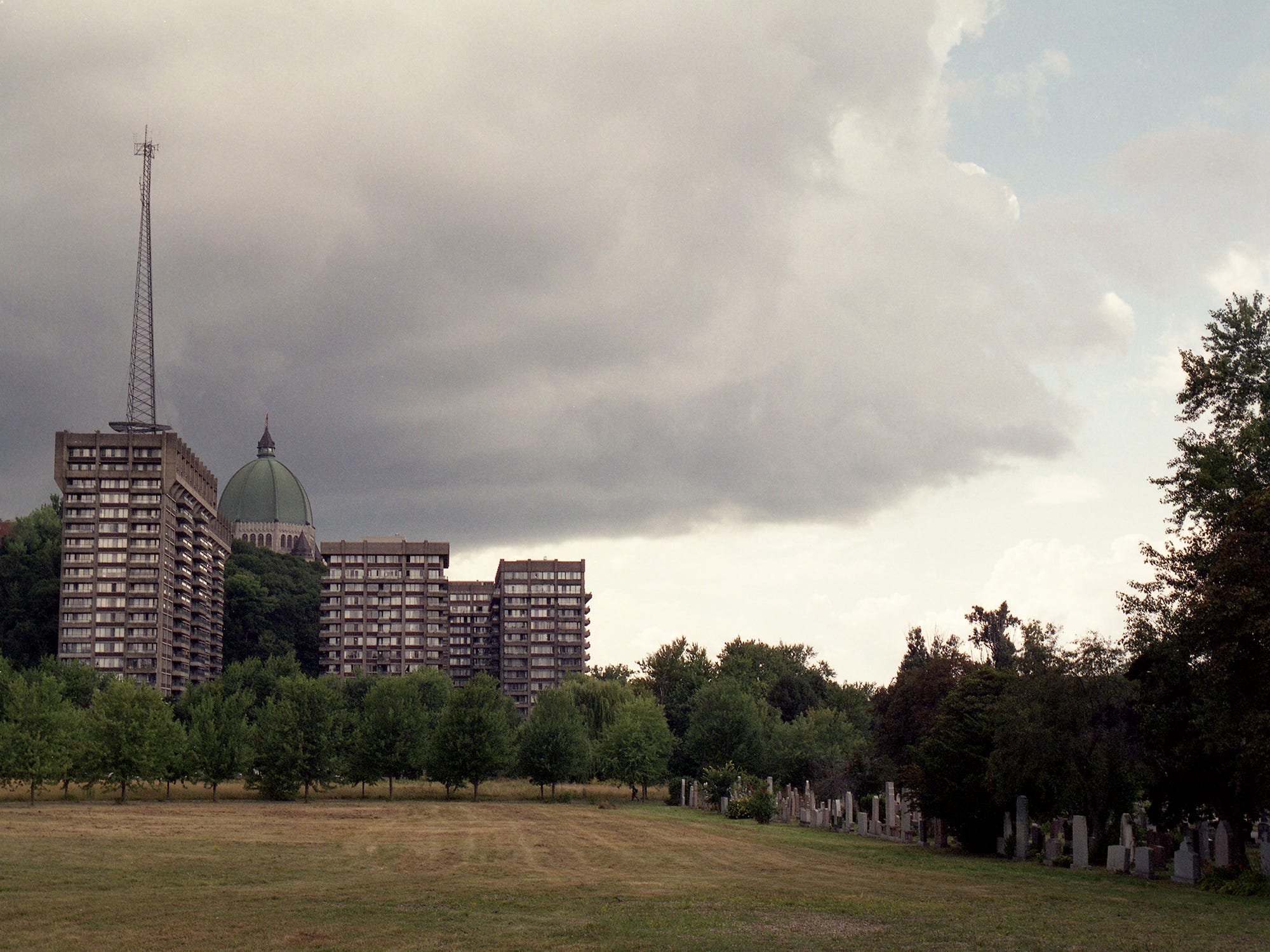
Rather than giving up, I took a look at my own page to figure out how to make my work more comprehensible. I realized that if a random person found my profile, it would be a challenge for them to understand what I've been going for. Substack bios have a strict character limit, so I can't fully explain myself there. All of my photos are created within the same conceptual framework but they are spread across the genres of documentary, landscape, street, and still life. My previous Posts have varied widely in subject matter and tone, and using my own name as the title of my “Publication” was another missed opportunity to help new members of the audience understand what I'm doing.
After all this thought, I have finally succumbed to the concept of branding, and I have decided to rename my page as Portrait of the Anthropocene.
For those who are not familiar, the Anthropocene is the period of time where humans have been the dominant force in shaping planet Earth. While there is ongoing scientific debate over the minutiae of the definition, I think it is undeniable that human society is in the process of taking control over almost every natural cycle on this planet, and that in doing so, we are triggering one of the most rapid and severe mass extinctions in Earth's history. I am not only concerned by environmental destruction, but also the social structures and systems that facilitate and normalize this destruction.
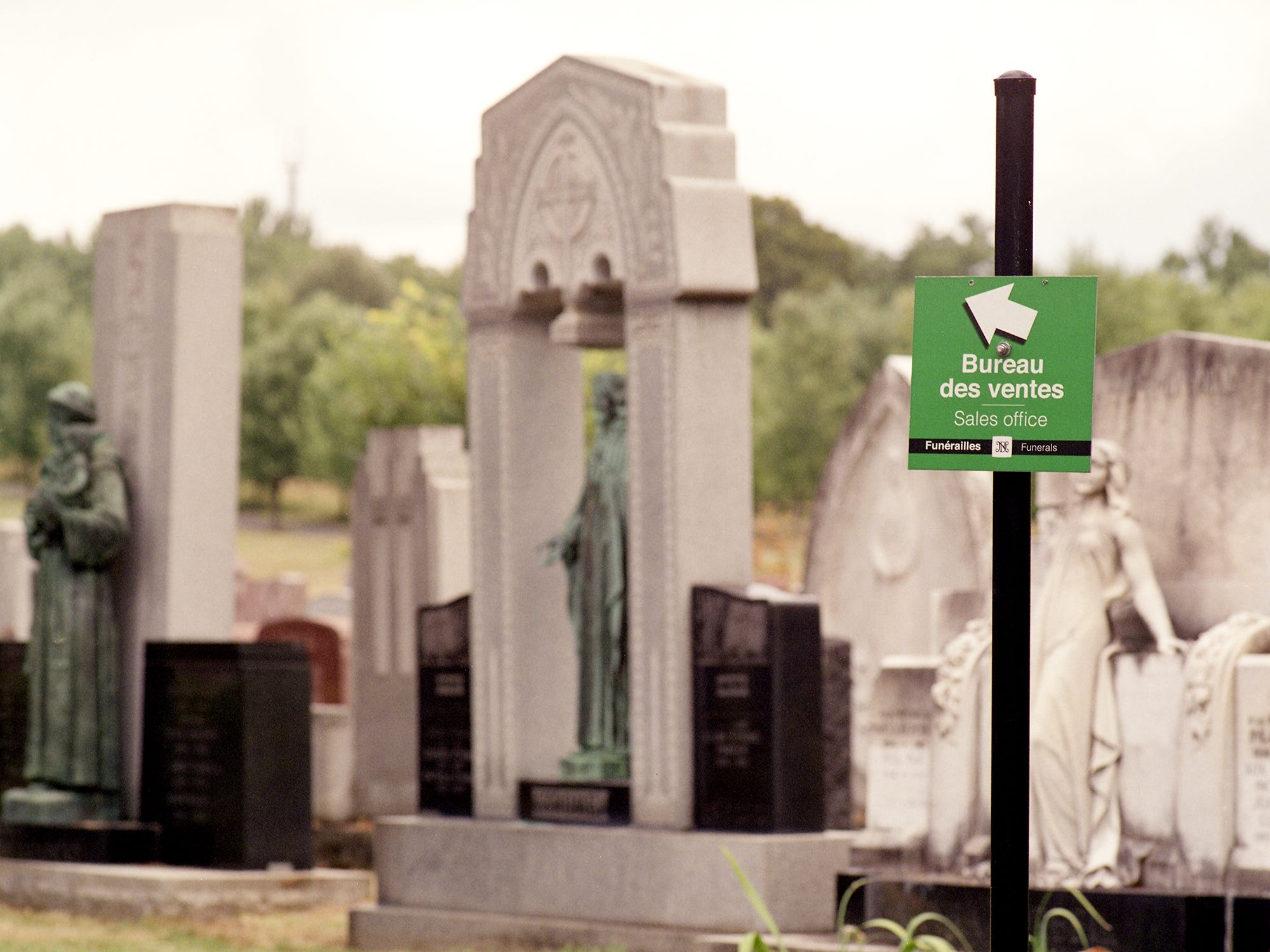
I see how the numerous crises faced by human society are just different facets of a small group of central issues – the abandonment of lifestyles that connect humans with nature, the principle of human supremacy over nature, our collective entitlement to natural resources, and most importantly, the unquenchable thirst for profit. These ideas are leading us into an unprecedented period of technological advancement which threatens to further destabilize human society, all while destroying the ability for us to maintain a shared reality.
This is why I am focused on taking photographs that express the atmosphere of the current state of human society and culture. I try to create radically realistic images that show the feelings of isolation, alienation, and grief that are induced by living through the present. I hope that as a whole, my photos will illustrate the linkages and feedback loops between humans and nature, hence forming the Portrait of the Anthropocene.
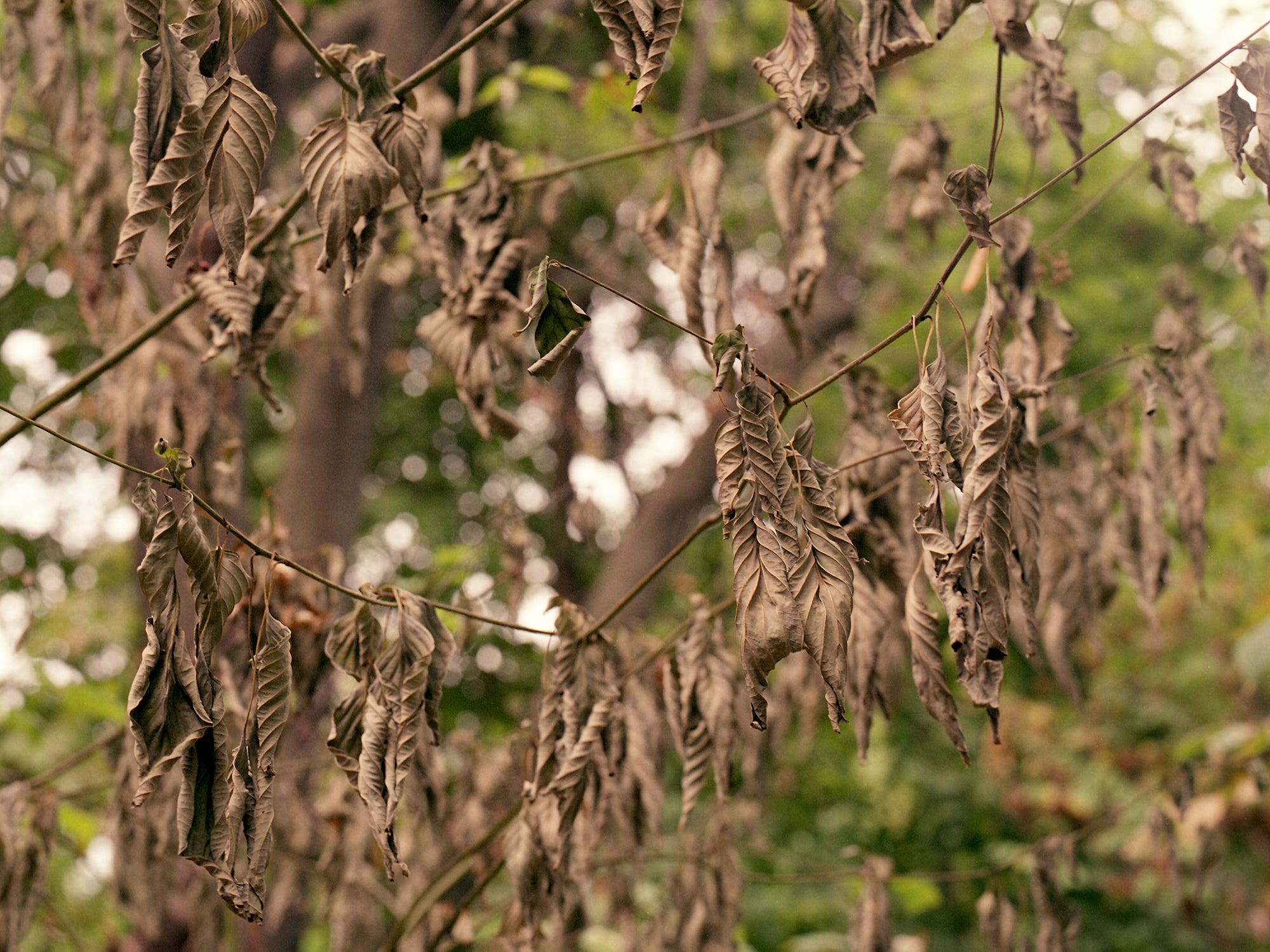
That is also why my goal is to create a photobook: I want to create physical documentation of the experience of living through this period of time. I want people to be able to hold my photos, stare at them, relax their eyes, and pick up on all the little details. I want my work to help people think more deeply about our world and realize that we don't have to accept things the way they are. Knowing that the future will be inhospitable to truth and information, I believe that one day people will seek out realistic documentation of this historic period, and I hope that my work will survive long enough to serve as a primary source. That may be too optimistic, but it doesn't hurt to try.
Going forward, I will be putting a lot more effort into ensuring that my photos are more clearly connected to this conceptual framework. Beyond my photobook, I am also planning shorter series on the topics I care about. My work doesn't really fall into a schedule, so there may be long gaps between my posts, but hopefully there will be an obvious thread tying everything together from here on out.
The future of this page:
More photo essays analyzing the contradictions between the human world and the natural world, including discussion on topics such as global warming, transportation, housing, resource extraction, landscape change, and biodiversity.
I also want to talk more about the Algorithm, AI, and photography.
Discussion of the connections between photography, film, music, and literature.
Reviews and commentary on photography exhibitions in Montréal, including the annual World Press Photo Exposition.
More details about my photobook, once it gets closer to completion.
Very nice post, Griffin. What you need to focus more on is originality and intentionality. These are missing from your post, yet they are two of the most important pillars of artistic photography.
Originality doesn’t mean “no one has ever taken this kind of picture before.” Rather, originality is born from intentionality. Why do you take a picture of this, and not of that? This question is deeply connected with our consciousness and rooted within ourselves. It is only possible when someone is truly present, when they are not just looking, but seeing the world.
This feeling, this process, is very hard to explain and some people may never fully understand it. It takes years to learn, and tremendous energy and effort. This is what I’m trying to teach myself and refine. It is also what gives your pictures meaning. Every picture tells a story, but the strength of that story comes from within us.
On the subject of street photography; The reason it receives so much hatred is because the principle I described above should be the core premise of street photography. I’m not saying every street photographer has mastered it or even practices it. But the street is one of the hardest genres out there, and many people can’t do it no matter how hard they try. They are only looking.
Street photography gets a bad reputation because it’s easier to dismiss it than to understand it. Labeling it “intrusive” or “immoral” is the simpler path. Hate unites people; it makes them feel better. People are simple in that way. We often overthink, but sometimes it really comes down to that.
Seeing is invaluable. It isn’t tied to any one genre, but in street photography it is everything. To truly find a picture on the street comes down to the ability to see. Without that, it’s just another obvious shot.
I also share the hopes that original photography is coming back from ashes of the algorithmic content. I’m not participating in feeding the monster either. All the best, and thanks for inspiring post!
Thoughtful read, Griffin. We use Substack differently. I use Notes to share quick prompts and keep photographers moving, you use essays to unpack ideas. Both have a place, the conversation matters more than the format. Marco