
Five Years Later
My personal history of the pandemic

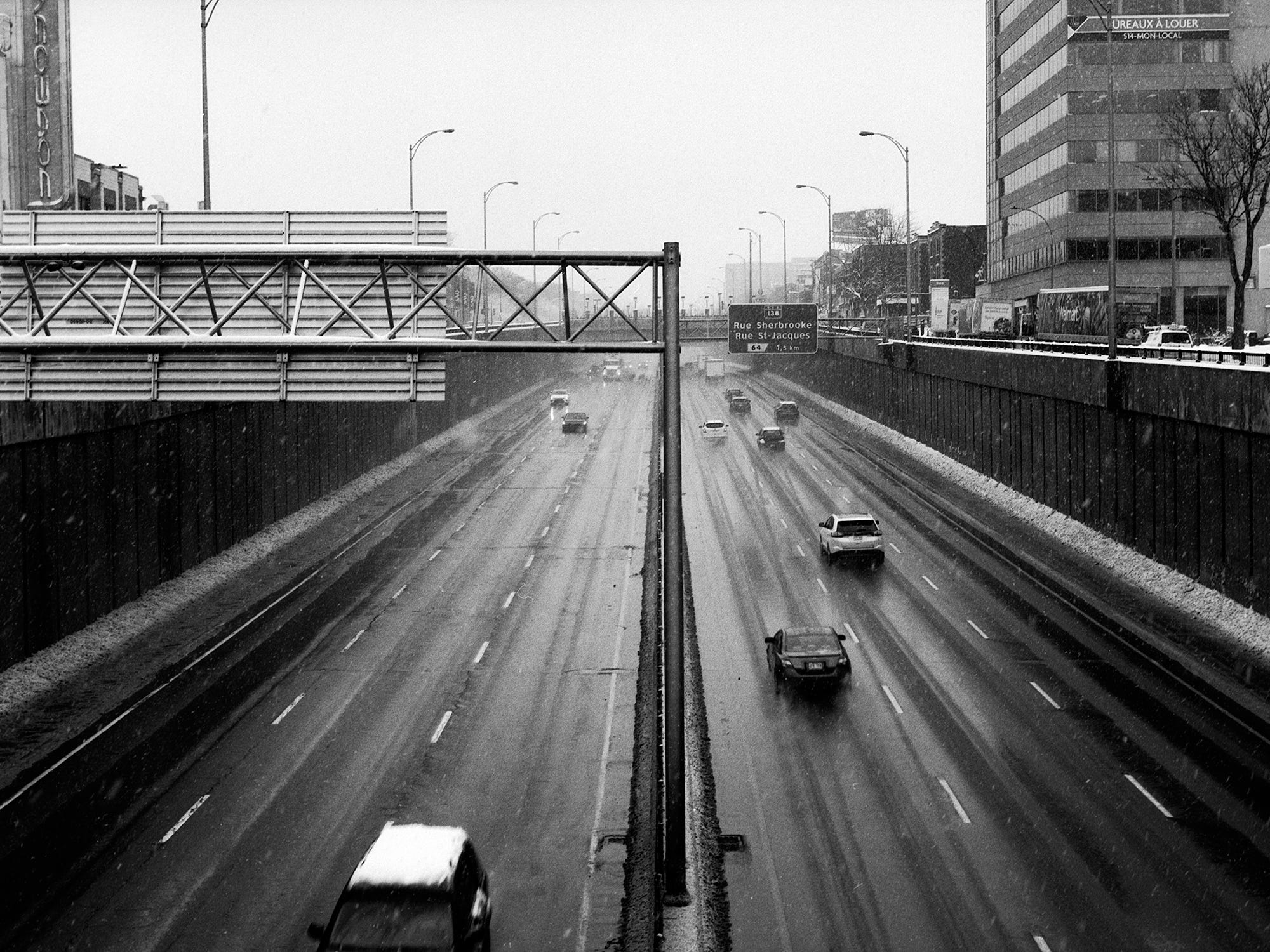
Five years have passed since the beginning of the COVID-19 pandemic and the first lockdown. The beginning of 2020 was a surreal period for me, as I watched the news of the virus outbreak emerge on the internet. I remember reading the initial reports that came out in the first week of January, but once Wuhan entered lockdown on January 23rd, I was glued to the news. Soon, travel bans were being announced and cruise ships were entering quarantine. I watched as the virus moved closer and closer, fanning out across the globe along international flight routes. Finally, in the first week of March, it arrived here in Montréal.
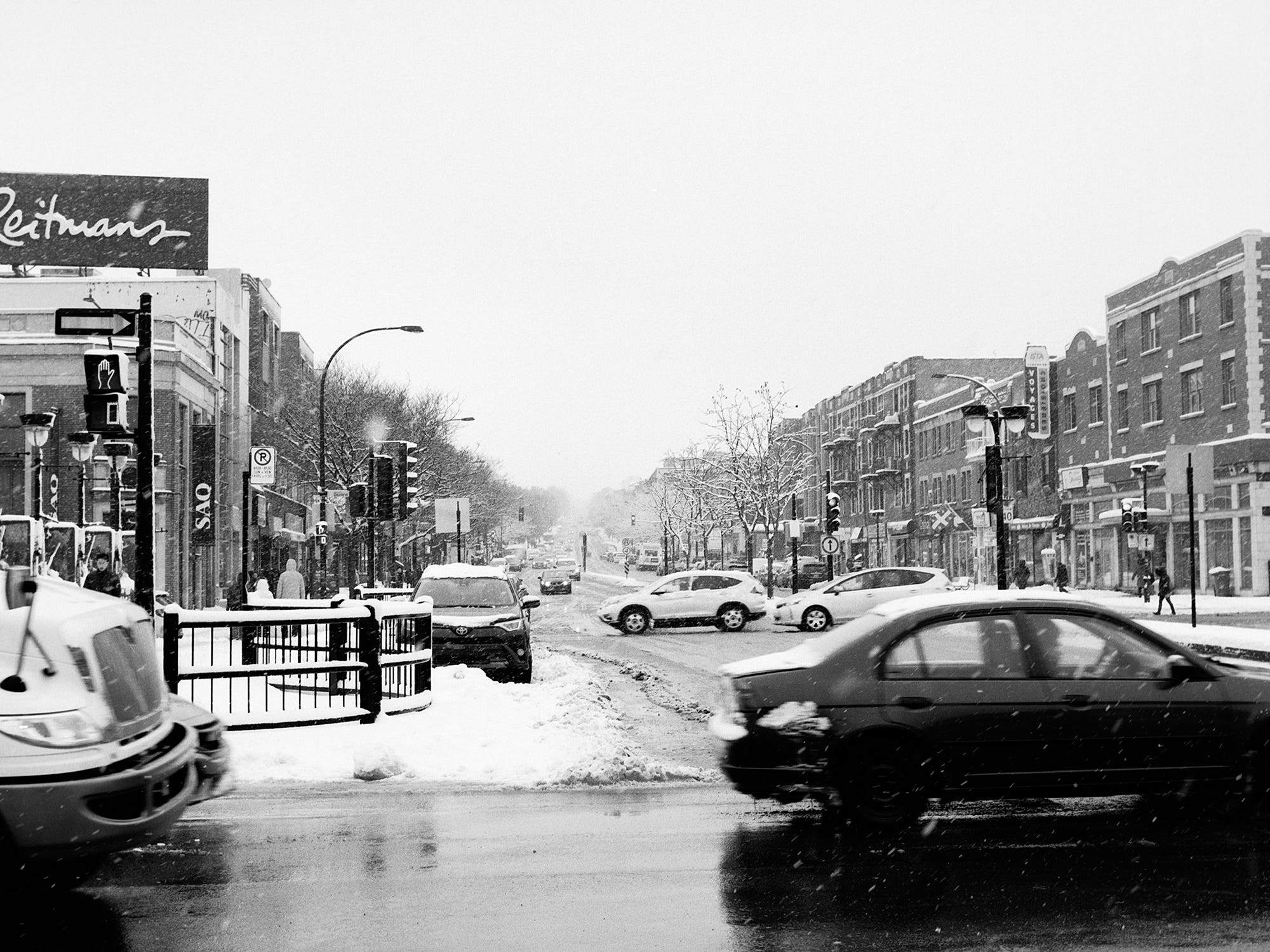
When the pandemic started, I had already been on a break from photography for about six months. I believe I only took five photos between late September 2019 and early August 2020. I knew a historic period was beginning but I could not find any inspiration to photograph it. As the province declared an emergency and began instituting the lockdown, I never picked up my camera to capture the empty streets and silence permeating the city.
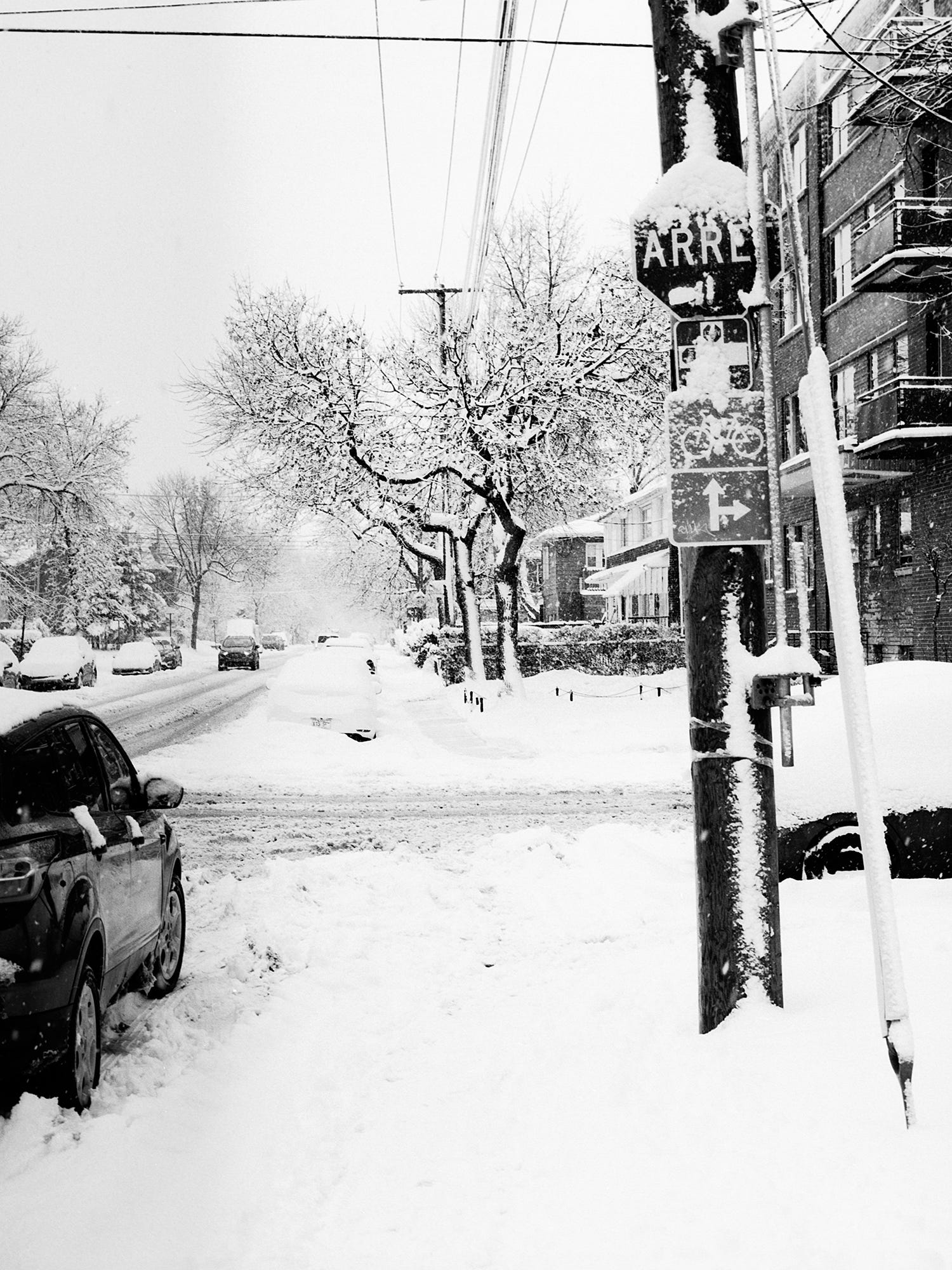
The silence didn’t last for long. By March 25th, 2020, the first death to COVID was reported in Montréal. The intensive care unit at the Jewish General Hospital was already full of COVID patients. On March 26th, 2020, the Director of Public Health in Québec warned the public to avoid the west side of Montréal due to the high number of cases. That’s where I live - shit!
Then the sirens started. They filled every hour of every day for the next two months. The flow of ambulances was almost constant; sometimes the gap between sirens was only five minutes. The crisis had spread across the globe and now I was right in the centre of it all. The noise was a constant reminder that the danger had arrived.
By April 4th, 2020, dozens of people were dying every day. On April 6th, 2020, it was announced that nine seniors had died in a single residence in Côte-des-Neiges, just up the hill from where I live. On April 10th, 2020, it became known that thirty one people had died in another residence, this time in a nearby suburb. The reports described gruesome scenes of seniors who experienced painful deaths, alone and covered in their own bodily waste. The evidence appeared to show abandonment by the staff of the facility.
From that point on, I tried to detach myself from the internet a little more. I was tired of the anxiety and decided that I needed to spend more time taking walks outside. I hoped that walking along side streets might help me avoid the ever-present ambulance sirens, but I was wrong. On a cloudy day in April, I saw an ambulance parked ahead of me. As I approached, the paramedics came into view, and I watched as they stepped into white biohazard suits. The way they slowly and silently dressed themselves outside the ambulance has always stuck with me. The lack of urgency immediately made me understand they had come to collect the body of someone who had already died. If they could have helped, wouldn’t they have hurried to get dressed? They were probably already completely exhausted by the situation, or maybe they were called for a non-emergency. Even if I can think of alternate explanations, I can’t stop imagining the fear and pain that must have been felt by someone dying alone to this unknown virus.
I didn’t go back outside for a few days after that moment, but once I did, I set a goal to walk outside for one hour each day for one year straight. I never saw any more biohazard suits, but I did become familiar with new blocks that I had never visited. I began watching the progression of the seasons as I passed the same trees and gardens each day. By May 1st, over two thousand people had died of COVID in Québec. I waited for the leaves and flowers to emerge, and listened for the birds, hoping the Spring could drown out the horror surrounding me. By June 1st, the local death toll was four thousand eight hundred seventy one people.
Once the first lockdown had finished and the dust had settled a bit, I went on a quick beach trip to Lake Ontario with my friends. I finally picked my camera back up and finished the roll of B&W film that I had loaded back in February, but I didn’t feel really inspired until the end of the trip.
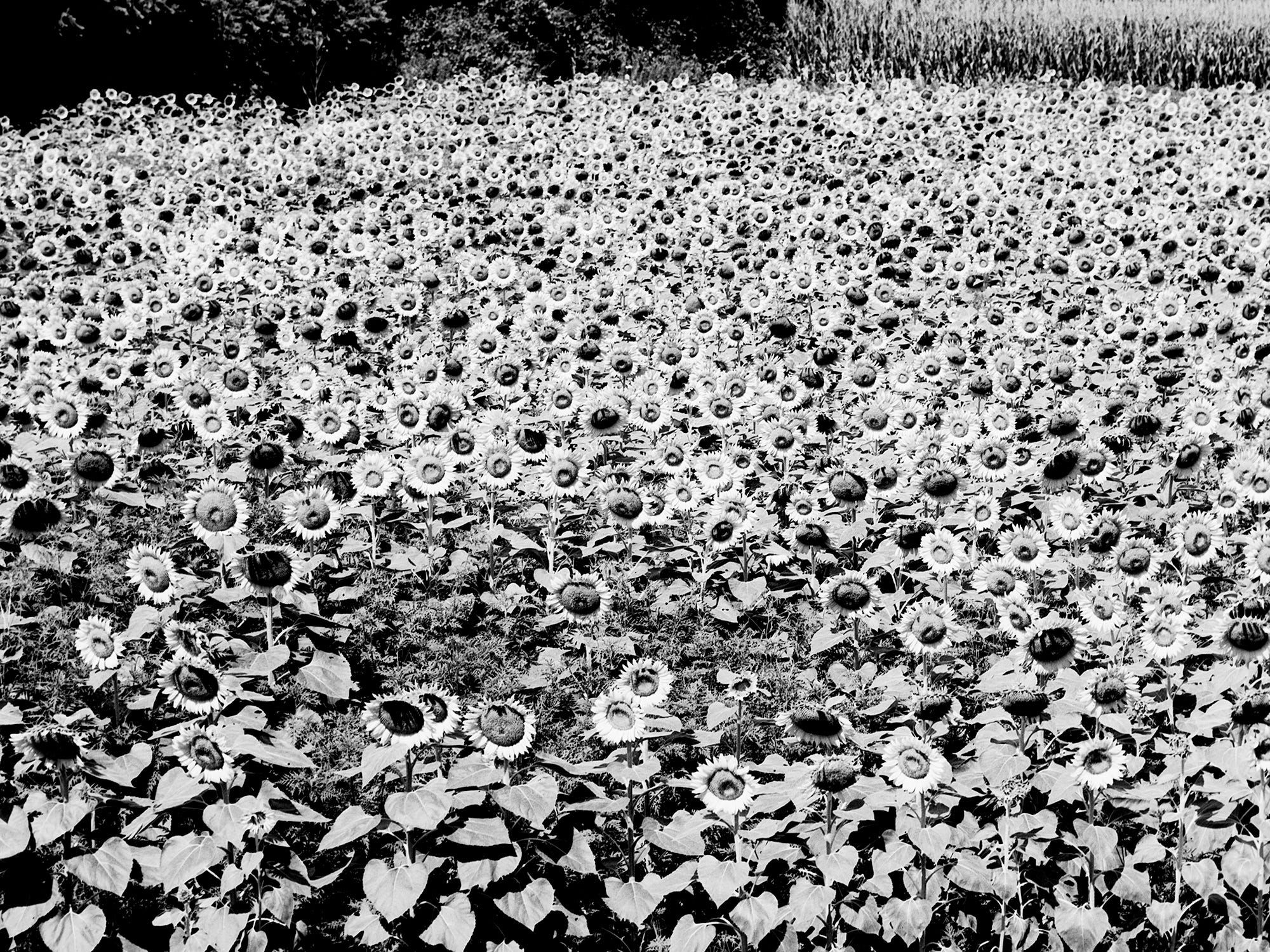
The sunflower field helped shake off the weight of the first wave of the pandemic. The next day, once I was back in Montréal, I immediately took action to capture the scenes that stood out to me from my daily neighbourhood walks. I had lost the chance to photograph the historic lockdown, but the remnants were still right in front of me.


My favourite route for my daily walks was along Boulevard de Maisonneuve. The street is directly adjacent to three commuter rail lines, so good timing allowed me to see up to ten trains in less than an hour. As I walked down the street over and over again, I began to realize that many of the vehicles parked up against the apartment buildings never moved. I began to understand that the owners of the vehicles were likely victims of COVID. I had seen that run-down Ford pickup before, driven by an older man, picking up appliances and other valuable pieces of waste throughout the neighbourhood. But now the tires were decaying, and rust began to rapidly advance at the edges of the body panels.
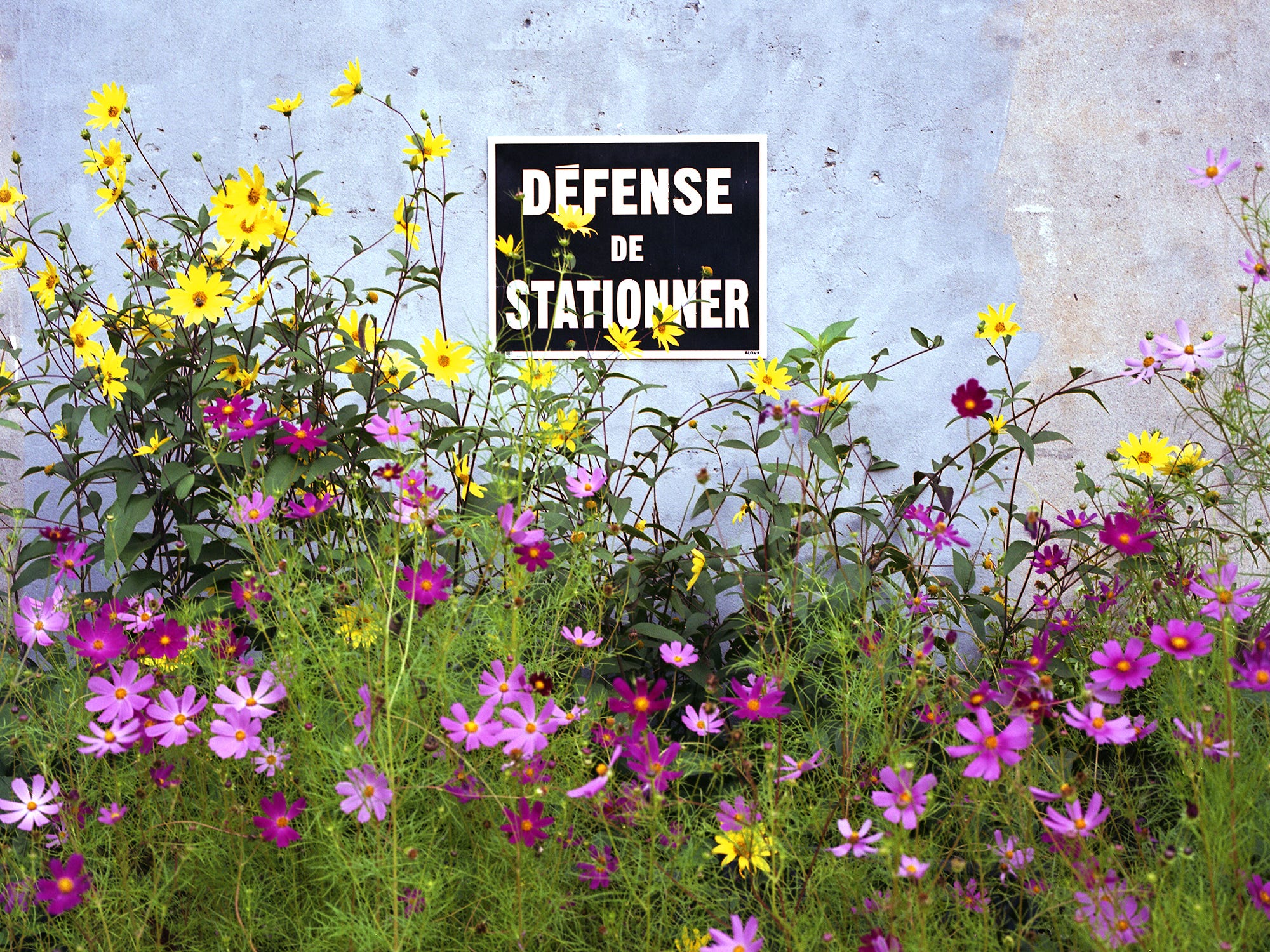
Once I realized the owners of the vehicles had probably died from COVID, I paid even closer attention. As far as I could tell, the Ford pickup and the trailer of tires never moved again, at least not until they were picked up by a junk collection company in 2021. I typically operate under a rule to never take photos of cars, but I felt that this situation deserved some documentation. There may have been no one else to remember their death.


Now, five years later, I look back and wish that things were different. Every few weeks, news reports emerge describing ways in which governments and corporations intentionally misled the public, concealed health risks, and generally undermined the response to the pandemic. Whether it was denial of the lab leak hypothesis, arguing against mask use, concealing the airborne nature of the virus, or ignoring that COVID has disabled millions of adults since the pandemic began, there has been no public reckoning with the disaster of 2020. In fact, legislators in Québec gave a standing ovation in the Assemblée nationale after they voted down a public inquiry into COVID deaths. Now, in 2025, most ordinary people have tried to move on, but ignoring and forgetting the mistakes of 2020 will only make it certain that they are repeated.